Ise Grand Shrine: Shinto's Most Sacred Site Unveiled
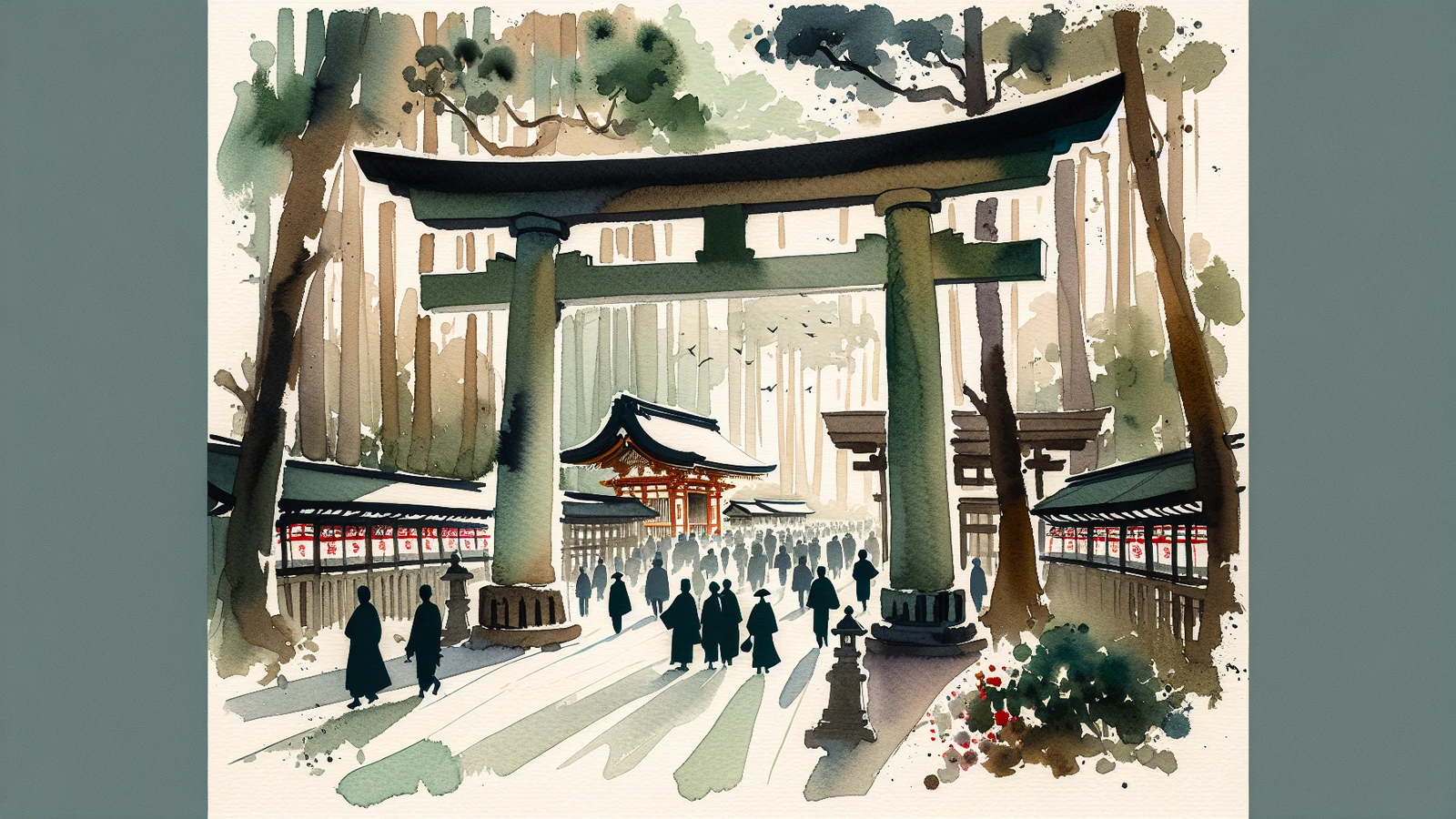
Explore Ise Grand Shrine, Japan's most sacred Shinto site featuring 20-year renewal rituals, ancient Amaterasu worship, and interfaith wisdom connections.

Ise Grand Shrine: Shinto's Most Sacred Site Unveiled
The Ise Grand Shrine, or Ise Jingū, stands as the beating spiritual heart of Japan and the most sacred site of Shinto, the country's indigenous faith. This sacred site represents one of humanity's most remarkable examples of sacred architecture, embodying principles that resonate across world religions. Nestled within the lush forests of Mie Prefecture, approximately 500 kilometers southwest of Tokyo, the shrine complex spans over 5,500 hectares of pristine woodland. This sacred precinct is dedicated to Amaterasu-Ōmikami, the sun goddess and divine ancestor of Japan's imperial family, whose radiant presence is believed to illuminate both the physical and spiritual realms. For centuries, pilgrims from every corner of Japan have journeyed to Ise not merely to marvel at its simple yet profound architecture but to encounter a living tradition that continually renews itself through the sacred rhythms of time and devotion.
This renewal is most powerfully embodied in the ritual of Shikinen Sengū, the ceremonial rebuilding of the shrine that has taken place every twenty years for over a millennium. The practice represents one of humanity's most remarkable examples of cultural continuity, where ancient wisdom is preserved not through static preservation but through active regeneration, ensuring that each generation can participate in maintaining the sacred covenant between heaven and earth.
The Mythic Origins and Sacred Covenant of Amaterasu's Shrine
Shinto mythology describes Amaterasu as the radiant source of light and order, born from the primordial chaos to bring harmony to the world. “She emerged from the left eye of the creator god Izanagi, radiating vitality and order” (Kojiki). According to ancient chronicles, Amaterasu first entrusted the sacred mirror, Yata no Kagami, to her grandson Ninigi when he descended to rule the earthly realm, establishing the divine mandate of the imperial line. This mirror, one of Japan's three imperial regalia, is believed to be housed within the innermost sanctuary of Ise Jingū, though it remains invisible to all but the highest-ranking priests and members of the imperial family.
Ise Jingū was established as Amaterasu's earthly dwelling around the 3rd century CE, becoming the ultimate center of reverence for the kami, or divine spirits that inhabit all aspects of the natural world. The shrine is not just a historical site but a spiritual covenant between the people, the imperial family, and the divine realm, representing the sacred axis around which Japanese spiritual and cultural identity revolves.
“The imperial house has maintained rites at Ise from generation to generation as a sacred duty” (Nihon Shoki). This unbroken bond, spanning nearly two millennia, underscores Shinto's deep connection between spirituality, national identity, and cultural continuity. The emperor himself serves as the chief priest of Shinto, performing daily rituals and annual ceremonies that maintain the harmony between the divine and human worlds. Pilgrimage to Ise has always symbolized the belief that honoring Amaterasu helps maintain the delicate balance between humanity, nature, and the spiritual realm.

Shikinen Sengū as a Profound Ritual of Impermanence, Renewal, and Cultural Transmission
Every twenty years, the entire shrine complex is meticulously dismantled and rebuilt on an adjacent sacred site in a tradition known as Shikinen Sengū. This extraordinary ritual, more than 1,300 years old, is a vivid expression of the Buddhist-influenced understanding of impermanence—similar to the wisdom found in the Noble Eightfold Path—and the Shinto commitment to purity and renewal.
“‘All created things perish,’ he who knows and sees this becomes passive in pain; this is the way to purity.” — Dhammapada 277.

Just as this Buddhist teaching reminds humanity of life's transience, the rebuilding of Ise Jingū demonstrates that sacred continuity is preserved not by clinging to old structures but by the active renewal of tradition.
The reconstruction process begins eight years before the actual ceremony, involving hundreds of skilled craftsmen, priests, and artisans who dedicate themselves to this sacred work. Ancient cypress trees, some over 200 years old, are carefully selected from the shrine's own forests, which have been sustainably managed for centuries specifically for this purpose. The wood is cut, seasoned, and shaped using traditional tools and techniques that have remained unchanged for over a millennium. No nails are used in the construction; instead, complex joinery techniques hold the structures together, demonstrating the sophisticated craftsmanship of Japan's ancestral builders.
The process of reconstruction also serves as a living classroom, transmitting carpentry techniques, ritual knowledge, and spiritual wisdom from seasoned master builders to apprentices. In this way, the shrine remains both ancient and ever new, an embodiment of cultural memory and innovation. The old shrine is carefully dismantled, with its sacred materials either buried within the grounds or used to repair other shrines throughout Japan, ensuring that nothing sacred is wasted and that Amaterasu's blessing extends throughout the archipelago.

Pilgrimage to Ise Jingū as a Journey of Devotion, National Unity, and Humility
For pilgrims, visiting Ise is a deeply personal and collective spiritual act that begins long before they arrive at the sacred precincts. The journey traditionally involves ritual purification, fasting, and the cultivation of a reverent mindset that prepares the soul for encounter with the divine. As they pass through towering torii gates made of sacred cypress and tread softly along carefully raked gravel paths under the canopy of ancient cedars, worshippers experience an intimate connection to the divine presence that permeates every aspect of the natural environment.
“Whoso shall offer Me in faith and love A leaf, a flower, a fruit, water poured forth, That offering I accept” — Bhagavad Gita 9:26.

The humble offerings at Ise-rice, salt, sake, and evergreen sakaki branches—mirror this universal principle of simple yet profound devotion. These offerings represent the fruits of human labor and the bounty of nature, acknowledging humanity's dependence on divine grace and the interconnectedness of all life.
The pilgrimage experience is structured around the two main shrine complexes: the Naiku (Inner Shrine) dedicated to Amaterasu, and the Geku (Outer Shrine) honoring Toyouke-Ōmikami, the goddess of agriculture and industry. Pilgrims traditionally visit the Outer Shrine first, following ancient protocols that honor the proper relationship between the material and spiritual dimensions of existence. The approach to each shrine involves crossing sacred bridges, washing hands and mouth at purification fountains, and maintaining respectful silence as one draws closer to the innermost sanctuaries. This sacred silence becomes a form of prayer in itself, transcending the need for words.
The shrine's festivals and rituals unite families and communities throughout the year, blending sacred reverence with cultural heritage. The most significant celebration, the Kannamesai harvest festival in October, draws thousands of participants who offer the first fruits of the rice harvest to Amaterasu, reaffirming the agricultural foundations of Japanese civilization. These gatherings reaffirm bonds of faith and identity that have endured for centuries, fostering a sense of shared history and purpose that transcends individual concerns.

Sacred Architecture and Nature as Living Expressions of the Divine Presence
The architectural style of Ise Jingū is characterized by its unpainted cypress wood, thatched roofs crafted from kaya grass, and nail-less construction that allows the buildings to flex gracefully with natural forces.
“The highest excellence is like (that of) water. The excellence of water appears in its benefiting all things, and in its occupying, without striving (to the contrary)” — Tao Te Ching 8.1.

This harmony with nature reflects Shinto's core belief that the divine permeates the natural world and that human constructions should complement rather than dominate their environment.
The shrine's ancient shinmei-zukuri style preserves Japan's earliest architectural traditions, evoking the prehistoric storehouses and rice granaries that sustained ancient communities. This integration of sacred and practical reflects a contemplative approach to spirituality that honors both divine presence and human needs. The elevated floors, steep roof angles, and distinctive chigi (crossed finials) and katsuogi (cylindrical roof ornaments) create a visual language that speaks of reverence, protection, and the sacred connection between heaven and earth. The buildings seem to emerge organically from their forest setting, their warm wood tones and natural materials creating a seamless integration with the surrounding ecosystem.
Through the cyclical rebuilding, sacred carpentry skills and ritual knowledge are carefully passed to new generations, ensuring that ancient wisdom remains alive and relevant. Each reconstruction reminds pilgrims and craftsmen alike that while physical structures may decay, the spiritual wisdom and cultural heritage they embody can endure indefinitely when tended with devotion and skill. The shrine forests themselves serve as a living temple, harboring ancient trees that have witnessed countless generations of worship and renewal.

Interfaith Reflections on Renewal, Devotion, and the Cycles of Time
Although uniquely Shinto in its specific practices and cultural context, the deeper message of Ise Jingū resonates with teachings across world religions that recognize the sacred nature of time, renewal, and impermanence.
“Know ye that this world’s life is only a sport, and pastime, and show, and a cause of vainglory among you! And the multiplying of riches and children is like the plants which spring up after rain — Their growth rejoiceth the husband-man; then they wither away, and thou seest them all yellow; then they become stubble. And in the next life is a severe chastisement, Or else pardon from God and His satisfaction: and this world’s life is but a cheating fruition.” — Qur'an Surah Al-Hadid 57:20.

The shrine's rebuilding mirrors the universal recognition of impermanence and the value of what is eternal, teaching that true security lies not in material permanence but in spiritual renewal.
“To every thing there is a season, and a time to every purpose under the heaven:” — Ecclesiastes 3:1.

The rhythmic cycles of destruction and renewal at Ise echo the wisdom of sacred time shared across traditions, honoring the natural patterns that govern both human life and cosmic order. The Rig Veda proclaims,
“Assemble, speak together: let your minds be all of one accord, As ancient Gods unanimous sit down to their appointed share.” — The Rig Veda 10.191.2

Pilgrimage to Ise similarly calls communities to gather in unity, reaffirming spiritual and cultural bonds that transcend individual differences and temporary concerns.
A Living Legacy of Sacred Renewal for Generations to Come
Today, millions of pilgrims visit Ise Jingū each year, seeking blessings, peace, and an experience of the divine that transcends the ordinary rhythms of contemporary life. The shrine stands as a profound testament to humanity's enduring desire to connect with the sacred while honoring tradition through renewal rather than mere preservation. By physically rebuilding the sacred spaces, Ise offers a tangible expression of the deeper truth that faith is not static but continually renewed through conscious participation in ancient wisdom.
In a world that often clings to permanence and fears change, Ise Jingū serves as a reminder that what is most sacred endures not by resisting change but by embracing renewal as a sacred act. Even in moments when the divine seems absent, the shrine teaches us about the profound sacred silence that often contains the deepest spiritual truths. This wisdom parallels teachings found in meditation traditions and interfaith understanding across cultures. Its rituals and heritage invite people everywhere to consider how they, too, might preserve what is holy while allowing life to flourish anew, finding in the cycles of destruction and creation the eternal dance of divine love that sustains all existence. Like other sacred symbols across traditions, Ise's architecture speaks a universal language of renewal and reverence.
Related Articles
- Explore how symbols communicate spiritual truths across cultures and the foundations of major world religions
- Understanding interfaith cooperation and shared wisdom through sacred architecture
About the Author
Elly Marimbocho is a seasoned writer with a background in Religious Studies and over a decade of experience producing long-form educational content on theology, interfaith spirituality, and world religions. Passionate about the contemplative heart of faith, Elly creates in-depth, reverent, and accessible guides that help readers engage meaningfully with religious wisdom across traditions.