Sacred Sustenance: Religious Dietary Laws and Mindful Eating
Discover how religious dietary laws shape identity through Jewish kosher, Islamic halal, and Buddhist practices that transform everyday eating into sacred wo...
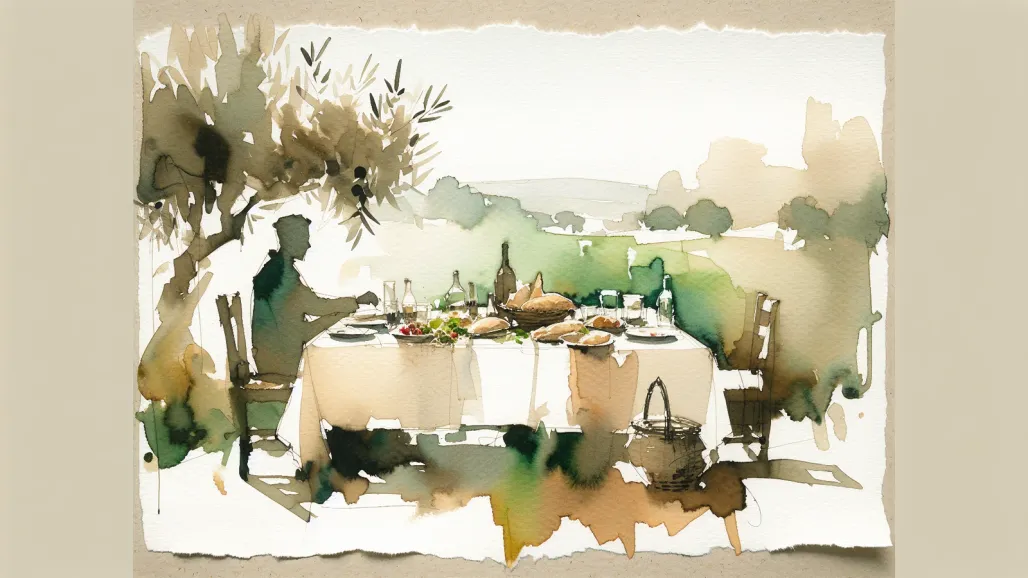
The dinner party fell silent. Around the elegantly set table, six friends from different faiths stared at the host's carefully planned menu, each seeing something different. Sarah noticed the bacon-wrapped scallops and quietly pushed them aside. Ahmed's eyes found the wine glasses being filled. Priya politely declined the beef Wellington. David checked for the kosher certification he knew wouldn't be there. Meanwhile, Buddhist monk Thich Minh had already begun blessing the vegetables on his plate, the only items he could eat.
What should have been a celebration became an awkward dance of explanations, apologies, and hurried trips to the kitchen for alternatives. Yet in this moment of social friction lay a profound truth: for billions of people, food is never just food. It's theology made tangible, faith expressed through fork and knife, the sacred manifested in the seemingly mundane act of eating.
The ancient Hindu tale of the speaking goat—who revealed to his would-be butcher that he was suffering karmic punishment for his own past acts of slaughter—captures something essential about religious dietary laws. They're not arbitrary restrictions but profound recognitions: what we consume shapes not just our bodies but our souls. The butcher's knife that paused mid-air represents every moment we choose between appetite and awareness, between consumption and conscience.
In our globalized world, where a single meal might bring together people from a dozen different faith traditions, understanding these sacred food ways becomes not just courtesy but necessity. This understanding helps build bridges rather than walls between diverse communities. Why does your Jewish colleague disappear during office pizza parties? What makes your Muslim friend scrutinize every food label? How does your Buddhist neighbor maintain compassion while navigating a carnivorous culture?
These questions open doorways to understanding how dietary laws create identity, build community, and transform the simple act of eating into a thrice-daily spiritual practice that connects billions to the divine.
Understanding Sacred Dietary Laws Across Faiths
Kosher (Jewish Dietary Law)
The Hebrew word “kosher” means “fit” or “proper,” but its implications reach far beyond fitness. For observant Jews, every meal becomes an act of consciousness, every bite a choice between the sacred and the profane. This intricate system of dietary laws, known as kashrut, transforms eating from biological necessity into spiritual discipline.
At Sinai, amid thunder and divine fire, these laws emerged not as arbitrary restrictions but as a technology for holiness. The Torah's dietary code addresses the most primal human act—consumption—and elevates it to divine service:
“And ye shall eat no manner of blood, whether it be of fowl or of beast, in any of your dwellings. Whosoever it be that eateth any blood, that soul shall be cut off from his people.” Moses, “Torah - Vayikra (Leviticus)”, 7:26

Blood represents life itself—the animating force that belongs to God alone. To consume blood is to claim ownership over life's mystery, to play God. Ancient pagans drank blood in their rituals, believing it transferred the animal's power. Judaism's prohibition draws a line: we may sustain ourselves with flesh, but the essence of life remains sacred, untouchable.
The fat prohibition carries similar weight—certain fats were designated for Temple offerings, belonging to God rather than human appetite. Even the Passover restriction on leavened bread transforms a historical memory (the hurried exodus from Egypt) into annual bodily practice. For one week each year, Jews literally embody their ancestors' experience, eating the “bread of affliction” that connects them across millennia.
But kashrut extends far beyond these biblical foundations. The separation of meat and dairy, the specific methods of slaughter, the inspection for disease—each rule builds mindfulness into consumption. A kosher kitchen becomes a sacred space where every tool, every surface, every choice reinforces the awareness: we are what we eat, and how we eat shapes who we become.
Halal (Islam Dietary Law)
“Oh men! eat of that which is lawful and good on the earth, but follow not the steps of Satan, for he is your avowed enemy:” Muhammad, “Sura II. The Cow”, 2:168

The Arabic word “halal” encompasses far more than “permissible”—it signifies purity, wholesomeness, and alignment with divine will. For Muslims, the act of eating becomes an opportunity for worship, each meal a chance to choose consciousness over carelessness, gratitude over greed.
Walk through the bustling markets of Cairo, Istanbul, or Jakarta, and you'll witness halal in action. The butcher whispers “Bismillah” (in the name of God) before each slaughter, transforming necessary violence into sacred act. This invocation isn't mere ritual but recognition: all life belongs to God, and taking it requires divine permission, profound awareness, and merciful execution.
The 11th-century scholar Al-Ghazali illuminated halal's deeper dimensions in his Revival of Religious Sciences. Beyond the obvious prohibitions—pork, blood, carrion, intoxicants—he explored the spiritual psychology of consumption. Why does Islam forbid animals that died naturally or from disease? Because what we consume affects not just our bodies but our spiritual state. Carrion represents decay, disease, and disconnection from divine order. Pork, with its omnivorous habits and susceptibility to parasites, symbolizes indiscriminate consumption.
The prohibition on intoxicants reveals Islam's emphasis on maintained consciousness. Whether alcohol, drugs, or any substance that clouds awareness, these are forbidden because they sever the connection between human and divine, making true prayer impossible. In a faith that requires presence of mind five times daily for prayer, anything that compromises clarity becomes obstacle to worship.
Yet halal extends beyond prohibition to active choosing. “Tayyib”—pure, wholesome, good—qualifies halal. Food must be not just permissible but beneficial, not just allowed but ethically sourced. Modern halal certification increasingly considers animal welfare, environmental impact, and fair trade, recognizing that true permissibility encompasses the entire chain from farm to table.
Buddhism Veganism
The Buddha's first precept—“refrain from taking life”—sounds simple until you try living it. For Buddhist practitioners, this fundamental vow transforms every meal into an exercise in compassion, every food choice into a vote for kindness or cruelty.
Yet Buddhist dietary practice reveals surprising complexity. The historical Buddha himself ate meat when offered by lay supporters, following the “threefold rule”: the animal must not have been killed specifically for the monk, the monk must not have seen the killing, and the monk must not have heard the killing. This pragmatic approach recognized that refusing almsgiving could harm the relationship between monastic and lay communities.
Different Buddhist traditions interpret dietary restrictions differently. Theravada monks in Thailand and Myanmar often eat meat received as alms, while Chinese and Vietnamese Mahayana traditions mandate strict vegetarianism. Tibetan Buddhists, living in harsh climates where vegetables were scarce, developed practices for conscious meat consumption with prayers for the animal's favorable rebirth.
But beneath these variations lies a consistent principle: mindfulness about the suffering our consumption causes. A Buddhist meal begins with the Five Contemplations: considering the effort that brought this food, reflecting on our virtue and whether we deserve it, guarding against greed, viewing food as medicine for the body, and accepting it to support our spiritual journey.
This mindful eating extends beyond avoiding meat. Many Buddhists abstain from garlic, onions, and other pungent foods believed to excite the senses and disturb meditation. Some follow periodic fasting, eating only before noon to maintain clarity of mind. The goal isn't asceticism for its own sake but creating conditions conducive to awakening—recognizing that what we feed the body directly impacts our capacity for compassion, concentration, and insight.

How Dietary Laws Transform Spiritual Practice
Dietary laws are only relevant when they carry symbols and teach doctrine. Apart from the unleavened bread eating and the restriction on blood intake, Moses teaches something realistic to the Jews. If you keenly observe, unleavened bread has no raising agent. Who would think of eating a bread without yeast to worship God even when Jews themselves were allowed to eat leaven bread on special occasions except Passovers? There must be something deeper about such practice, echoing the Ten Commandments and their deeper spiritual significance.
Besides, the Torah describes a fascinating scene where Moses lifts up a serpent on a pole, and the Israelites who look at it are healed. This act seems like a thoughtful ordinance that requires faith. Interestingly, for many Jews, mindful eating practices aren't just about physical wellness but also about spiritual realities – healing, salvation, and deliverance.
Al-Ghazzali, on the other hand, describes the eating of lawful things in Halal as piety. This means your Muslim friend who refuses intoxicated minerals for natural minerals isn't just trying to practice culture, he has the God-fear, and is qualified to act as a witness to a truth. Al-Ghazzali also notes that deliberate obedience to these laws eliminates doubts and the tendencies of doubt.
This helps us to regard our Muslims, knowing fully well that he shows respect and piety to his Maker. Such realization inspires us also to worship, with a sense of God consciousness. These practices connect to the broader spiritual principles explored in World Religion 101: A Beginner's Guide to Global Faiths.
About inspiration, piety shouldn't be mistaken with fear. If you remember the story of the butcher and the goat, you'd agree that it is extreme to worship God from fear under Karma law. After all, Dharma doctrine reports that no evil befalls a man who acted ignorantly.
However, this practice helps Buddhists to cultivate compassion and kindness to sentient creatures, as a form of spiritual growth and purification of the heart. This connects to broader themes of compassion found in healing prayers across traditions and the universal ethical framework discussed in Ten Commandments: Ancient Laws, Modern Relevance.
When Religious Food Traditions Meet Modern Culture
Since religion began with a particular culture and expanded to other regions, sacred sustenance of dietary laws shifts from the early practices whenever it clashes with different cultural personalities.
Today, you'll find several attempts to restore strict practices of dietary laws that were earlier practiced in Islam. The failure is linked to the freedom women have today, which was restricted during the heavy period of the Sharia.
Similarly, some Jewish Christians, known as Judaizers, attempted to impose Jewish dietary laws on Gentile Christians. This tension was evident when Peter withdrew from eating with Gentiles after certain Jewish Christians arrived from James, fearing criticism from those who insisted on maintaining Jewish customs.
Paul, however, confronts these Jewish Apostles, debating how Christianity unifies different cultures and nations, without having to pass down religious practices. Though some Jewish Christians still practiced Judaism laws, Paul warned against segregation of the Gentile Christians by Mosaic practices and against forcing them to become Jews.
An Asian Christian who had been eating meat with blood should not suddenly stop because a Jewish Christian, accustomed to his Jewish tradition under Judaism, refuses to eat meat with blood.
Besides, dietary laws are subject to a group at certain periods with a story. The Jews’ unleavened bread law is connected to their deliverance from Egypt, and the Christian history is nailed to the events at the cross. Why should they two be forced to have the same sacred sustenance?
Even though a few leaders strongly retain their sacred practices, adjustment of religious dietary laws is common among the Islam, Christian, even in Judaism where the Passover and Pentecostal feasts are optional today. These adaptations reflect the intersection of faith and community practices explored in Intercessory Prayer: The Art of Spiritual Advocacy Across Faiths.
Adjustment too is parallel. Buddhists, at some point, are allowed to eat fish and meat when it is given to them. Dharma allows for a personal judgement of the heart. It's okay not to eat if you're feeling judged. This is similar to Paul's teaching on food offered to idols in Christianity.
Despite identity and belonging, dietary laws demonstrate faith in a Divine Being. This is to say that religions can relate with spiritual awareness while celebrating dietary tradition with others. Even Christ, the author of Christian faith, observed Jewish rites. He ate and never condemned the eating of unleavened bread during Passover, because he recognized the Supreme Being behind these practices. This reflects the universal values that unite diverse faith traditions and the healing power of inclusive spiritual practices found in Healing Prayers: The Intersection of Faith and Wellness.

Health Benefits of Religious Dietary Practices
While religious dietary restrictions might seem limiting, research shows that thoughtfully planned religious diets can provide complete nutrition. Vegetarian Buddhists and Hindus, for instance, often obtain iron from leafy greens, legumes, and fortified foods, while getting B12 from dairy products or supplements. Muslim halal and Jewish kosher diets, which include meat prepared according to specific guidelines, naturally provide all essential nutrients. Rather than creating deficits, these dietary laws often encourage more mindful and diverse eating patterns. Let's explore the health benefits of various religious dietary practices.
Fat Reduction
Prohibition of fat and animal consumption in Judaism, Hindu, and Buddhist reduces high cholesterol intake for its members.
Rich Vitamins and Minerals
Abandoning meats for a while for vegetables provides more vitamins and minerals to the body for the Hindu and Buddhist brothers.
Compassion and Kindness
The Buddhist practice of avoiding killing and bloodshed cultivates compassion and gentleness. By abstaining from taking life, practitioners develop a deep sensitivity to suffering that makes violence increasingly difficult to contemplate.
Integrating Sacred Food Wisdom Daily
Return to that dinner party where our story began. What if, instead of awkward silence, the host had asked each guest about their dietary needs beforehand? What if, instead of seeing restrictions, everyone recognized the profound spirituality expressed through each person's food choices?
The transformation would be remarkable. Sarah might explain how keeping kosher connects her to 3,000 years of Jewish survival. Ahmed could share how halal eating makes every meal a prayer. Priya might describe how Hindu vegetarianism expresses reverence for all life. Thich Minh could offer a blessing that encompasses all traditions. The dinner table would become not a battlefield of competing restrictions but a celebration of humanity's diverse paths to the sacred.
In our interconnected world, understanding religious dietary laws isn't optional—it's essential for creating inclusive communities. When planning events, smart organizers now automatically provide kosher, halal, vegetarian, and vegan options. Forward-thinking restaurants train staff in religious dietary requirements. Hospitals and schools develop protocols ensuring every patient and student can maintain their spiritual practice while dining.

But beyond practical accommodation lies deeper opportunity. These ancient food ways offer wisdom for our modern crises:
Ethical Consumption: Religious dietary laws have long emphasized responsible stewardship and mindful consumption. Kosher and halal slaughter prioritize minimal suffering and humane treatment. Buddhist vegetarianism reflects awareness of our interconnection with all living beings. Hindu ahimsa (non-violence) extends compassion throughout the food chain. These ancient traditions offer timeless wisdom for ethical eating.
Mindful Eating: In an age of fast food and mindless consumption, religious dietary practices restore consciousness to eating. Whether saying grace, reciting bismillah, or contemplating the Five Considerations, these practices transform mechanical consumption into meaningful ritual.
Community Building: Sharing dietary restrictions creates instant bonds. The Muslim who finds halal options at a Jewish colleague's home, the Buddhist who discovers vegan choices at a church potluck—these moments of accommodation become bridges between communities.
As you navigate your own relationship with food, consider:
- Ask with genuine curiosity about others' dietary practices—you'll often receive fascinating insights into their spiritual worldview
- Host inclusively by learning about and accommodating different dietary needs
- Explore mindfully by trying a dietary practice from another tradition—perhaps Meatless Mondays inspired by Buddhist compassion or conscious eating inspired by Jewish blessings
- Advocate thoughtfully for religious dietary accommodation in your workplace, school, or community
The ancient wisdom embedded in religious dietary laws offers more than rules—it provides pathways to consciousness, compassion, and community. In every meal, we have the opportunity to honor the sacred, respect diversity, and recognize that our deepest differences often point toward our most profound connections.
Author's Voice
Mercy Iburuoma is a writer and storytelling enthusiast who recently delved into the world of interfaith writing. She has a deep love for sacred texts and a gift for translating complex spiritual ideas into engaging prose. She brings warmth, clarity, and curiosity to every piece she creates.
Explore Further
- World Religion 101: A Beginner's Guide to Global Faiths - Discover the core beliefs of nine major world religions and their surprising connections
- Intercessory Prayer: The Art of Spiritual Advocacy Across Faiths - Discover how intercessory prayer connects hearts across faiths across traditions
- Moral Compass: Universal Values in a Diverse World - Discover how universal values like love, compassion, and justice unite all faiths