Intercessory Prayer: The Art of Spiritual Advocacy Across Faiths
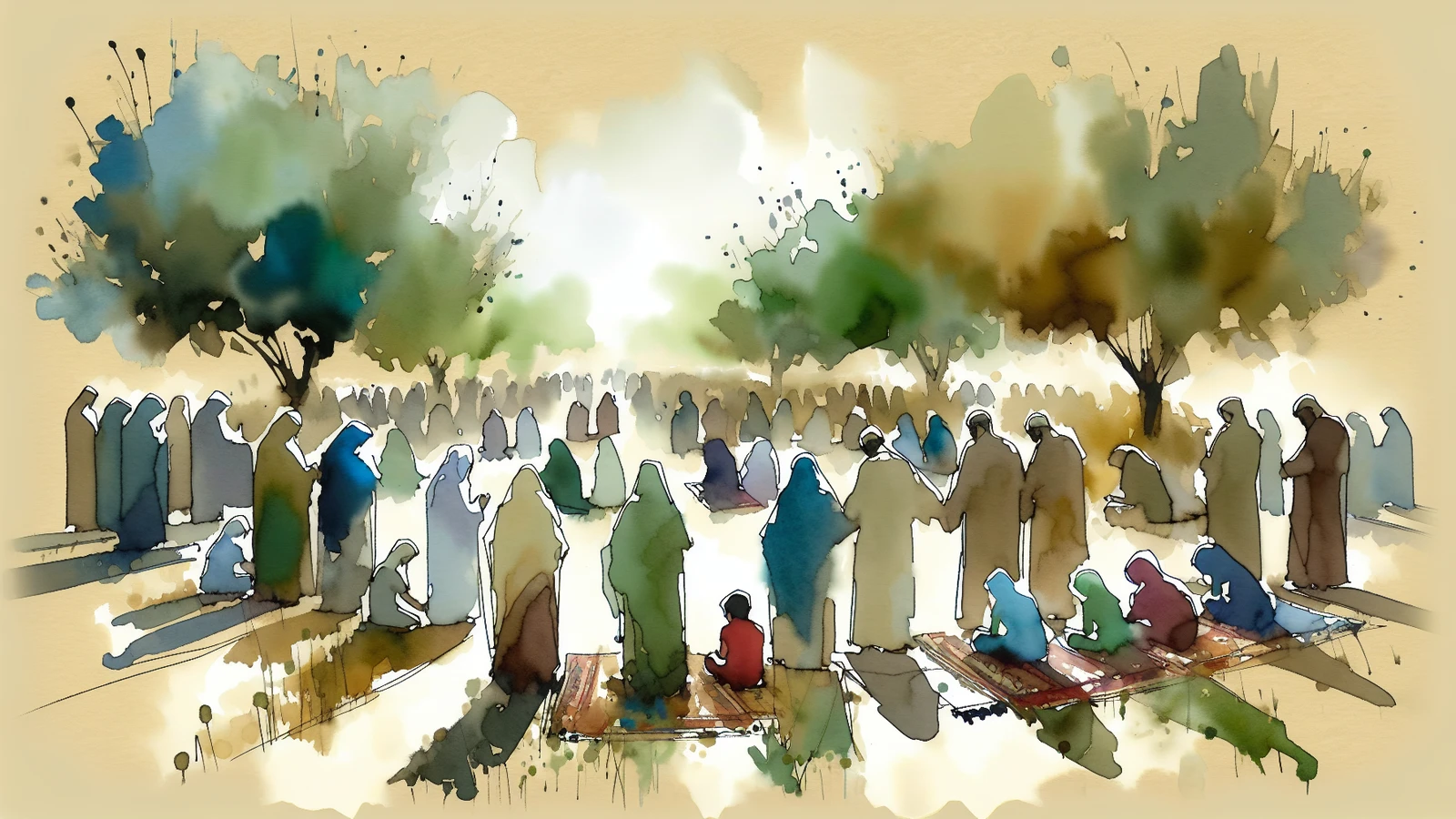
Discover how intercessory prayer connects hearts across faiths. Explore Christian, Jewish, Islamic, and Eastern traditions of praying for others in unity.
The hospital room fell silent except for the mechanical rhythm of life support. Sarah gripped her daughter's limp hand, words failing her for the first time in her life. Then, unbidden, names began arriving in her mind—her Jewish neighbor Rachel, Muslim coworker Ahmed, the Buddhist meditation group, her grandmother's rosary circle. By morning, without Sarah knowing, prayers in Hebrew, Arabic, Pali, and Latin were ascending from four continents, all carrying the same desperate plea: Let this child live.
Three weeks later, when her daughter's eyes fluttered open against all medical probability, Sarah discovered the prayer chain had grown to over 10,000 people across six faiths. “I'll never know whose prayer was heard,” she would later say, “or if it was the chorus of all of them together. I only know that when I was drowning, the whole world threw me lifelines of love.”
This is intercessory prayer in its raw essence—not theological abstraction but lived reality. It's the universal human impulse to stand in the gap for another soul, to offer our spiritual strength when theirs fails, to insist to whatever powers exist that this precious life matters. Across every tradition, culture, and continent, humans have been praying for each other since we first learned to speak to the Mystery.
Yet beneath this simple act lies profound complexity. When a Catholic asks Mary to intercede, when a Muslim raises hands in du'a for a suffering friend, when a Buddhist transfers merit to all beings—what exactly is happening? Does prayer change God's mind? Alter destiny? Shift energy in the quantum field? Or does it simply change us, making us more compassionate actors in a suffering world?
These questions have occupied humanity's greatest spiritual minds for millennia. The answers vary wildly across traditions, yet the practice remains remarkably consistent: when someone we love suffers, we reach beyond ourselves to help them. This exploration journeys through the world's great faiths to understand not just how different traditions practice intercessory prayer, but why this ancient act of spiritual solidarity remains vital in our fractured age.
How Christianity Transformed Intercession Into Sacred Advocacy
“Christ Jesus... who is at the right hand of God, who indeed intercedes for us” ( 8:34) lays the foundation for Christian intercession, positioning Christ as our ultimate advocate
In early Christian history, believers often prayed for one another. The Epistle of James urges believers, “Confess your faults one to another, and pray one for another, that ye may be healed” (James 5:16). Theologically, Christian intercession is rooted not only in the shared prayer of the faithful but also in the conviction that each believer participates in Christ’s own ongoing intercession (Hebrews 7:25)
Over time, the veneration of saints introduced another dimension: saintly intercession. Catholics, Eastern Orthodox, Anglicans, and some Lutherans believe saints those who’ve passed into the fullness of life, pray for us. Early Church figures like Origen and Clement of Alexandria endorse this practice as early as the 3rd century
Protestants, however, generally reject such invocation, citing Christ’s unique mediation not as a denial of community but to preserve direct access to God.
Living Intercession Through Daily Practice

Prayer chains involve individuals committing to pray daily for a specific list of needs. During post-Communion intercessions, clergy members offer prayers for health, community, and the world. Individual devotions involve requesting friends, family, and religious leaders to present each other to God through prayer.
The Jewish Path: Community Responsibility Through Sacred Prayer
Jewish liturgy interweaves intercession and communal responsibility. The Amidah (Shemoneh Esrei) contains blessings not only for oneself but also for
The State and leadership (“Oseh shalom ... may You establish peace”) The community’s well-being (“Refa’einu ... heal us”) Gathering of exiles, restoration, and more Private and semiprivate Mi shebberach blessings for the sick formalize communal intercession. These prayers connect the entire congregation Rabbi, cantor, and individuals in lifting the vulnerable before God.
Historically, Judaism also held that biblical figures like Moses interceded for the people (Exodus 32:11–14). The intercession of angels and righteous individuals appears in texts like 2 Maccabees and medieval liturgies, though modern practice remains cautious of overstepping monotheism.
Islamic Shafa'ah: When Divine Permission Meets Human Compassion

In Islam, intercession (Shafa‘ah) is primarily framed around eschatological hope. The Quran and Hadith affirm that on the Day of Judgment, certain individuals—Allah, angels, prophets, and the righteous—may be granted permission to intercede
Muhammad’s intercession is widely recognized. Sunni and Shi’a Muslims see the Prophet’s shafa‘ah as mercy at the end times. Shi’ite Islam also extends intercession to the Imams and “friends of God” (Awliya), though some conservative voices (e.g., Wahhabism) caution against seeking intercession from anyone other than God
Outside eschatology, Muslims commonly engage in Dua personal prayers including pleas for others. Such supplications reinforce community bonds and underscore the caring interdependence of the Ummah.
Eastern Traditions: Bhakti Devotion and Bodhisattva Compassion
While Hinduism doesn’t frame intercession the same way as Abrahamic traditions, devotional worldwide Bhakti often involves praying through deities and gurus. Devotees ask deities Krishna, Shiva, and Parvati to intercede on their behalf, especially during rituals and pujas.
Buddhism, particularly Mahāyāna, introduces intercessory spirituality via the Bodhisattva tradition. Bodhisattvas, enlightened beings like Avalokiteśvara or Tara, vow to remain accessible, offering guidance and compassionate responses to sincere prayers . A Reddit discussion highlighted that while not “intercession” in a Christian sense, devotees direct requests to bodhisattvas for their compassionate action.
This devotional mode is similar in some Sikh and Jain traditions, where spiritual teachers and higher beings play a supportive, intercessory role.

Ancient Wisdom: How Our Ancestors Prayed for Each Other
The impulse to pray for others is nearly universal. Vedic hymns (Rig Veda) include prayers for kin. Ancient Babylonians and Assyrians instituted priestly intercessory classes; Greeks invoked Hestia; African spiritualities like the Serer people believed in ancestral “Pangool” mediators
Humanity has always sensed that communal life requires spiritual solidarity and we pray for each other not just in ritual but in the solidarity of shared existence.
Building Bridges: Contemporary Interfaith Prayer Movements

In recent decades, intercessory prayer has grown beyond religious lines:
Interfaith prayer vigils unite Christians, Jews, Muslims, and Buddhists to promote peace, mourning, or solidarity. The 1986 Assisi prayer gathering modeled religious presence side by side rather than syncretic blending.
Day to Praise, initiated by Rabbi Riskin, calls Jewish and Christian congregations to recite Psalms 113–118 together for unity and gratitude.
Hartford Seminary hosts weekly multifaith prayer gatherings in which a host tradition invites others, rituals rotate, hospitality is key, and social justice themes remain front and center
Community organizing uses prayer to bind diverse volunteers around shared aims. Immigration reform, housing, racial equity enhancing empathy through collective spiritual anchoring
Online, communities use virtual spaces to pray for loved ones, victims of disasters, and global crises a clear evolution in intercession shaped by the digital age .
Why Intercession Transforms Both Prayer and Pray-er
Spiritual solidarity: Intercession strengthens relationships. When I pray for you, I cleave to your risk and hope. When your name is on my lips, your well‑being becomes sacred.
Expressive compassion: Words give shape to empathy. Prayer turns vague sympathy into concrete spiritual advocacy.
Participatory grace: Across Christianity, Islam, Judaism, and beyond, believers sense that intercession enlists them in a divine movement. They co‑prayer with holy ones Christ, Moses, Muhammad, bodhisattvas, saints, ancestors.
Transformative community: Intercessory gatherings chisel empathy and unity from isolation. They build communal resilience rooted in compassion, not just ideology.
Your Journey Into Meaningful Intercessory Prayer
Whether you’re Christian, Jewish, Muslim, atheist, or simply deeply caring, here’s how to meaningfully join in intercessory prayer:
Know your tradition’s practice
Christians: Pray in Jesus’ name, and consult your tradition’s guidance on intercession (saints vs. none). Jews: Use the Mi shebberach formula; keep it communal and inclusive. Muslims: Offer sincere Dua, name both the living and the deceased, and honor their role. Buddhists/Hindus: Use mantra or devotional prayer to Tara or Krishna, knowing it’s accepted in your lineage.
Use inclusive language in interfaith settings. Frame it as “May those we hold in our hearts attain peace and healing.” Honor distinct expressions while focusing on shared compassion.
Incorporate intercession into your life rhythm
Start a prayer chain with friends Use a journal to record names Dedicate Friday evening or Monday morning prayers (or meditation time) to intercession. Gather or join communal vigils. Reach out to local churches, synagogues, mosques, temples, or meditation centers; many host prayer vigils in crisis or celebration.
Build interfaith solidarity through prayer
Attend events like “Day to Praise,” Assisi commemorations, or virtual communal prayers during global challenges. Let the unity you echo be spiritual tesseracts connecting traditions.
Journal the experience
After praying for someone, write down your feelings: Did your heart shift? Did you notice awareness of another's suffering? Such awareness deepens your spiritual practice and empathy.
Weaving Hearts Together Through Sacred Advocacy
Intercessory prayer crosses boundaries; it is not about creed, but care. It calls us into solidarity with the vulnerable, invites compassion into structure, and changes us as we pray for others.
From Moses pleading for Israel to a Muslim whispering Dua for a friend to bodhisattvas echoing cries of compassion, the practice reminds us that we are more interwoven than we often feel.
This is why professors bookmark such resource hubs and interfaith groups keep them on hand: because intercessory prayer is spirituality in motion, a spiritual ecology where hearts kneel for each other across faith lines and differences, embodying sacred care.

Expand Your Knowledge
Discover the core beliefs of major world religions and their surprising connections, explore how universal values like love and compassion unite all faiths, and learn how prayer beads create spiritual unity across diverse religious traditions.
The Voice Behind This Article
Mercy Iburuoma is a writer who recently began exploring the world of interfaith writing. She has deep love for sacred texts and a gift for translating complex spiritual ideas into engaging prose. She draws extensively from her readings and is passionate about sharing spiritual knowledge. Her work is available to everyone because she brings warmth, clarity, and curiosity to every piece she creates.
Related Articles
- Lantern Festival: Illuminating the Path to Spiritual Enlightenment - spiritual awakening