Zen and the Art of Universal Mindfulness
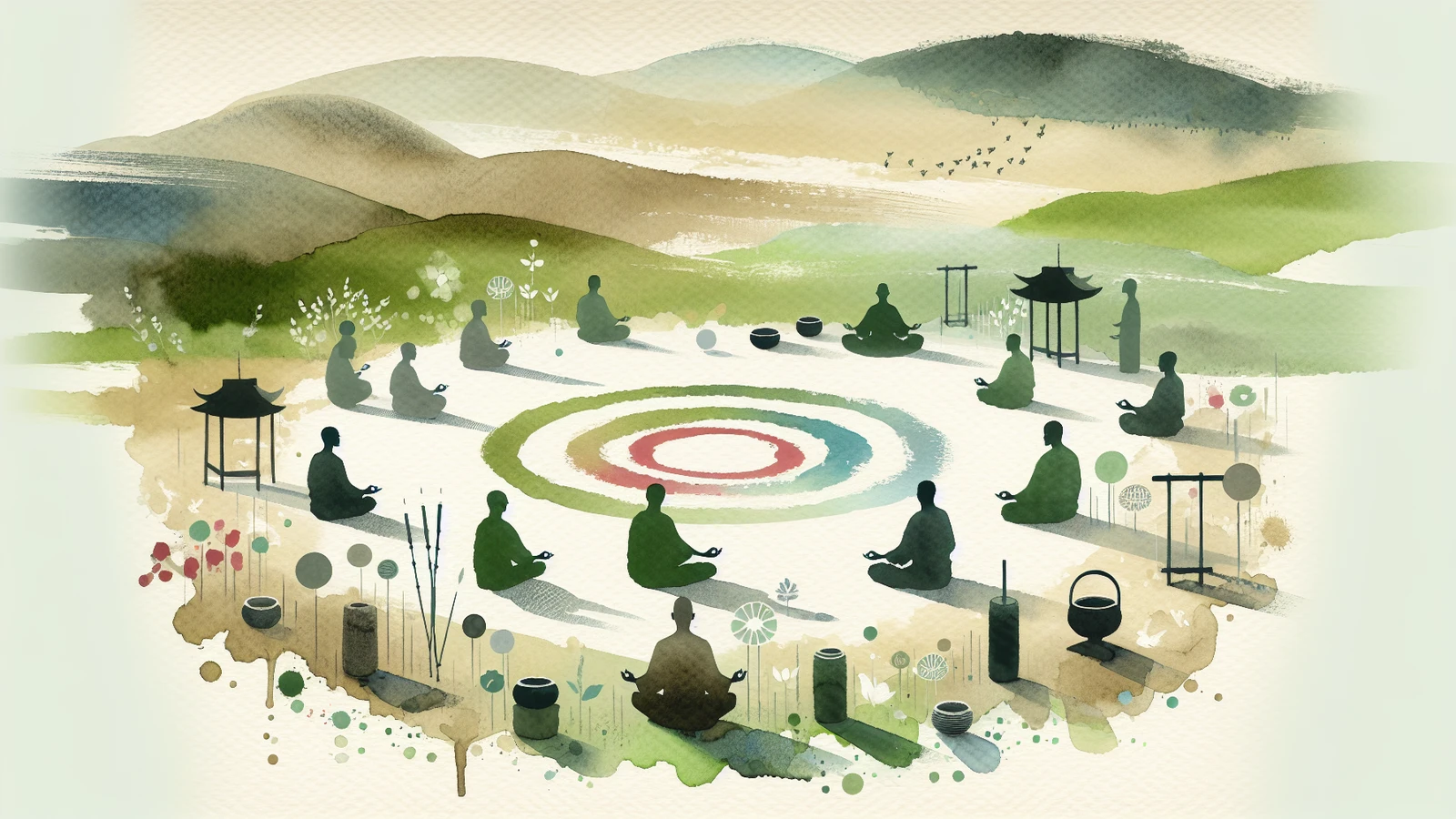
Discover Zen Buddhism's transformative path of mindfulness and awakening, exploring its ancient roots and universal spiritual parallels for modern seekers gl...
Zen Buddhism represents a profound spiritual tradition that transcends simple meditation techniques and embraces an entire way of being. Rooted in the teachings of the Buddha and developed through centuries of contemplative practice across India, China, Korea, and Japan, Zen emphasizes direct experience, presence, and awakening to one's true nature. Its influence extends far beyond monasteries and meditation halls, permeating art, poetry, and everyday rituals that celebrate the beauty of mindful living.
The Origins and Historical Journey of Zen Buddhism
Zen, known as Chan in China, emerged as a distinctive school of Mahayana Buddhism that masterfully fused Indian meditative traditions with Chinese cultural influences. This synthesis created a unique approach to spiritual practice that later spread to Korea and Japan, where it flourished and developed its most recognizable characteristics. The tradition's emphasis on direct transmission of wisdom from teacher to student, often through paradoxical teachings and sudden insights, distinguished it from other Buddhist schools.
Central to Zen practice is zazen, or seated meditation, which embodies the very heart of mindfulness and the pursuit of awakening. This practice involves sitting in stillness, observing the breath and the arising and passing of thoughts without attachment or judgment—a fundamental meditation technique that transcends cultural boundaries. The Buddha's fundamental teaching resonates through this practice:
“All created things perish,’ he who knows and sees this becomes passive in pain; this is the way to purity.” — Dhammapada 277

The Noble Eightfold Path serves as the comprehensive ethical and meditative framework that underlies all Zen practice. Its eight interconnected aspects—right view, intention, speech, action, livelihood, effort, mindfulness, and concentration—are not merely philosophical concepts but practical guidelines integrated into daily life. Right view involves understanding the nature of reality, including the impermanence of all phenomena and the interconnectedness of all beings. Right intention encompasses the cultivation of wholesome motivations free from greed, hatred, and delusion. These foundational elements create the mental framework necessary for authentic spiritual development.
The remaining components of the path focus on ethical conduct and mental discipline. Right speech, action, and livelihood form the ethical foundation, while right effort, mindfulness, and concentration develop the mental faculties necessary for deep insight. These components work together synergistically, each supporting and strengthening the others, gradually leading practitioners toward the ultimate goal of liberation from suffering and the realization of their inherent Buddha nature.

How Zen Mindfulness Transforms Everyday Life
Mindfulness in the Zen tradition extends far beyond formal sitting meditation, encompassing every aspect of human experience. Every action, from the simple act of walking and eating to the routine tasks of cleaning and working, becomes an opportunity for cultivating presence and awareness, much like the illuminating path of spiritual enlightenment celebrated across traditions. This comprehensive approach to mindfulness is beautifully captured in the Long Discourses:
“And how is a mendicant mindful? It’s when a mendicant meditates by observing an aspect of the body — keen, aware, and mindful, rid of desire and aversion for the world.” — Dīghanikāya: Long Discourses XVI:10.10

In this tradition, even the most ordinary and seemingly mundane tasks are approached as profound spiritual exercises. The act of washing a simple bowl becomes a meditation on impermanence and service. Drinking tea transforms into a practice of gratitude and present-moment awareness. Walking from one room to another becomes an opportunity to cultivate mindful movement and embodied presence. This integration of spiritual practice with daily life reflects the Buddha's teaching, connecting with the noble eightfold path and other contemplative prayer traditions across cultures.
Related Articles
- Noble Eightfold Path: Buddha's Universal Guide to Enlightenment - Buddhist framework for awakening
- Meditation Mastery: Techniques from World Religions - Universal consciousness practices
- Contemplative Prayer: Silence and Stillness Across Traditions - Cross-cultural contemplative methods
“Not to commit any sin, to do good, and to purify one’s mind, that is the teaching of (all) the Awakened.” — Dhammapada 183

By applying mindfulness consistently in daily life, practitioners gradually dissolve the artificial separation between the sacred and the mundane. Work becomes worship, routine becomes ritual, and ordinary moments reveal their extraordinary nature. This transformation doesn't require retreating from the world but rather engaging with it more fully and consciously. The Zen master Dogen emphasized this integration through his concept of “just sitting” (shikantaza), where meditation extends seamlessly into all activities.
This approach challenges the common misconception that spiritual practice must be separate from worldly engagement. Instead, Zen teaches that enlightenment can be found in the most humble circumstances—sweeping the floor, preparing a meal, or listening deeply to another person. The key lies not in the activity itself but in the quality of attention and presence brought to each moment. As practitioners develop this capacity for sustained awareness, they begin to experience what Zen calls “everyday mind”—a state of natural ease and clarity that doesn't depend on special conditions or circumstances.

The Aesthetic of Mindful Living in Zen Arts
Zen's influence on Japanese culture has been particularly profound, inspiring distinctive forms of artistic expression that embody the principles of mindfulness, impermanence, and elegant simplicity. Calligraphy, gardening, architecture, and the renowned tea ceremony all serve as vehicles for spiritual practice and aesthetic appreciation. The Buddha's wisdom applies here:
“Even by the falling of water-drops a water-pot is filled; the wise man becomes full of good” — Dhammapada 122

Zen gardens, with their carefully placed stones and meticulously raked gravel patterns, are designed not merely for visual beauty but as aids to meditation and contemplation. These spaces invite the viewer to quiet the busy mind and enter a state of peaceful reflection. Similarly, traditional Zen architecture emphasizes natural materials, clean lines, and harmonious proportions that promote tranquility and mindful awareness.
The Japanese tea ceremony, perhaps the most refined expression of Zen aesthetics, transforms the simple act of preparing and sharing tea into a profound meditative ritual. Every movement is deliberate and purposeful, from the careful cleaning of utensils to the graceful pouring of water. Participants cultivate presence, gratitude, and connection through this shared experience of mindful attention to beauty and tradition.

Universal Practices of Mindful Awareness
While Zen offers a distinctive approach to mindfulness, the essence of conscious presence is not exclusive to Buddhism. Across the world's great spiritual traditions, we find similar emphases on cultivating awareness, presence, and connection to the divine or ultimate reality.
In Christianity, the practice of contemplative prayer emphasizes silent presence before God, creating space for divine encounter beyond words and concepts. This tradition is beautifully captured in Psalm:
“Be still, and know that I am God.” — Psalm 46:10

Christian mystics throughout history have developed practices remarkably similar to Zen meditation, focusing on present-moment awareness and surrendering the ego's constant activity.
Hindu spirituality, as expressed in texts like the Bhagavad Gita, emphasizes the cultivation of disciplined self-awareness and mindful action. Krishna instructs:
“Let each man raise The Self by Soul, not trample down his Self” — Bhagavad Gita 6.3

This teaching points toward the same self-responsibility and conscious awareness that characterizes Zen practice.
Islamic spirituality treasures the practice of dhikr, the constant remembrance of God, which nurtures ongoing mindfulness and divine connection throughout daily activities. The Sufi tradition, in particular, has developed sophisticated methods for maintaining continuous awareness of the Divine presence, often through rhythmic breathing, chanting, or silent remembrance. Similarly, Jewish tradition emphasizes kavanah, the cultivation of proper intention and focused awareness in prayer and ethical living. The practice of studying Torah with complete attention and devotion shares remarkable similarities with Zen approaches to mindful study and contemplation.
Indigenous spiritual traditions worldwide also emphasize present-moment awareness and connection to the natural world. Native American practices of sitting in silence with nature, Aboriginal walkabout traditions, and African meditation practices all point toward the same fundamental recognition of consciousness as our most precious resource, reflecting the universal moral principles that guide authentic spiritual living. These diverse traditions reveal a universal human longing for conscious presence and meaningful connection to the sacred dimension of existence, suggesting that mindfulness represents a fundamental aspect of human spiritual development across all cultures.

Zen Mindfulness as Response to Modern Challenges
In our current age of digital distraction, information overload, and constant stimulation, Zen offers a profoundly countercultural path toward clarity, peace, and authentic presence. While scientific research has demonstrated meditation's benefits for reducing stress and improving mental well-being, Zen practice encompasses much more than therapeutic technique—it represents a complete path of liberation and awakening.
The ancient Noble Eightfold Path remains remarkably relevant for navigating contemporary challenges. Right speech becomes the practice of using words with kindness, honesty, and constructive purpose in our communications. Right action involves living ethically and harmoniously with others, considering the impact of our choices on the broader web of life. Right mindfulness means approaching every moment with full presence and awareness, whether we're responding to daily tasks or caring for family members.
The Buddha's teachings on mental cultivation speak directly to our modern struggles with distraction and restlessness. As taught in the Dhammapada (21),
“Earnestness is the path of immortality (Nirvāṇa), thoughtlessness the path of death. Those who are in earnest do not die, those who are thoughtless are as if dead already.” — The Dhammapada 21

This ancient wisdom points to the essential choice we face in each moment: to be fully present and alive, or to drift through life unconsciously, missing the profound depth available in ordinary experience.
The Buddha's guidance speaks directly to our modern predicament:
“Be not thoughtless, watch your thoughts! Draw yourself out of the evil way, like an elephant sunk in mud.” — Dhammapada 327

This ancient wisdom offers practical guidance for maintaining clarity and purpose amid the complexities of contemporary life.
The Universal Invitation of Zen
Ultimately, Zen extends a universal invitation to awaken fully to reality as it genuinely is, moment by moment. This awakening is not about detaching from life or escaping into spiritual bypassing, but rather about engaging more deeply and authentically with whatever arises. The Buddha's encouragement remains as relevant today as ever:
“Make thyself an island, work hard, be wise! When thy impurities are blown away, and thou art free from guilt, thou wilt enter into the heavenly world of the elect (Ariya)” — Dhammapada 236

The teachings of Zen remind us that genuine transformation is possible when mindfulness is embodied and lived, not merely practiced as a technique. It offers a way of being that brings wisdom to action, compassion to relationships, and peace to the heart. In embracing this path, we discover that every moment offers an opportunity for awakening, and every experience becomes a teacher on the journey toward liberation and joy.
About the Author: A Decade of Sacred Storytelling
Related Articles
- The Dharma Wheel in Motion - Explore the deeper significance of Buddhism's most sacred symbol
- Beyond Lanterns and Lotus: Vesak's Three-Fold Path to Awakening - Discover the profound meaning of Buddhism's most sacred day
- World Religion 101: A Beginner's Guide to Global Faiths - A comprehensive introduction to Buddhism and other world religions
About the Author: A Decade of Sacred Storytelling
Elly Marimbocho is a seasoned writer with a background in Religious Studies and over a decade of experience producing long-form educational content on theology, interfaith spirituality, and world religions. Passionate about the contemplative heart of faith, Elly creates in-depth, reverent, and accessible guides that help readers engage meaningfully with religious wisdom across traditions. Explore more: Star of David: From Jewish Symbol to Universal Icon, and Yin and Yang: The Dance of Duality in Spiritual Traditions.