A Million Flames Against the Dark: How Light Becomes Prayer in Modern Mumbai
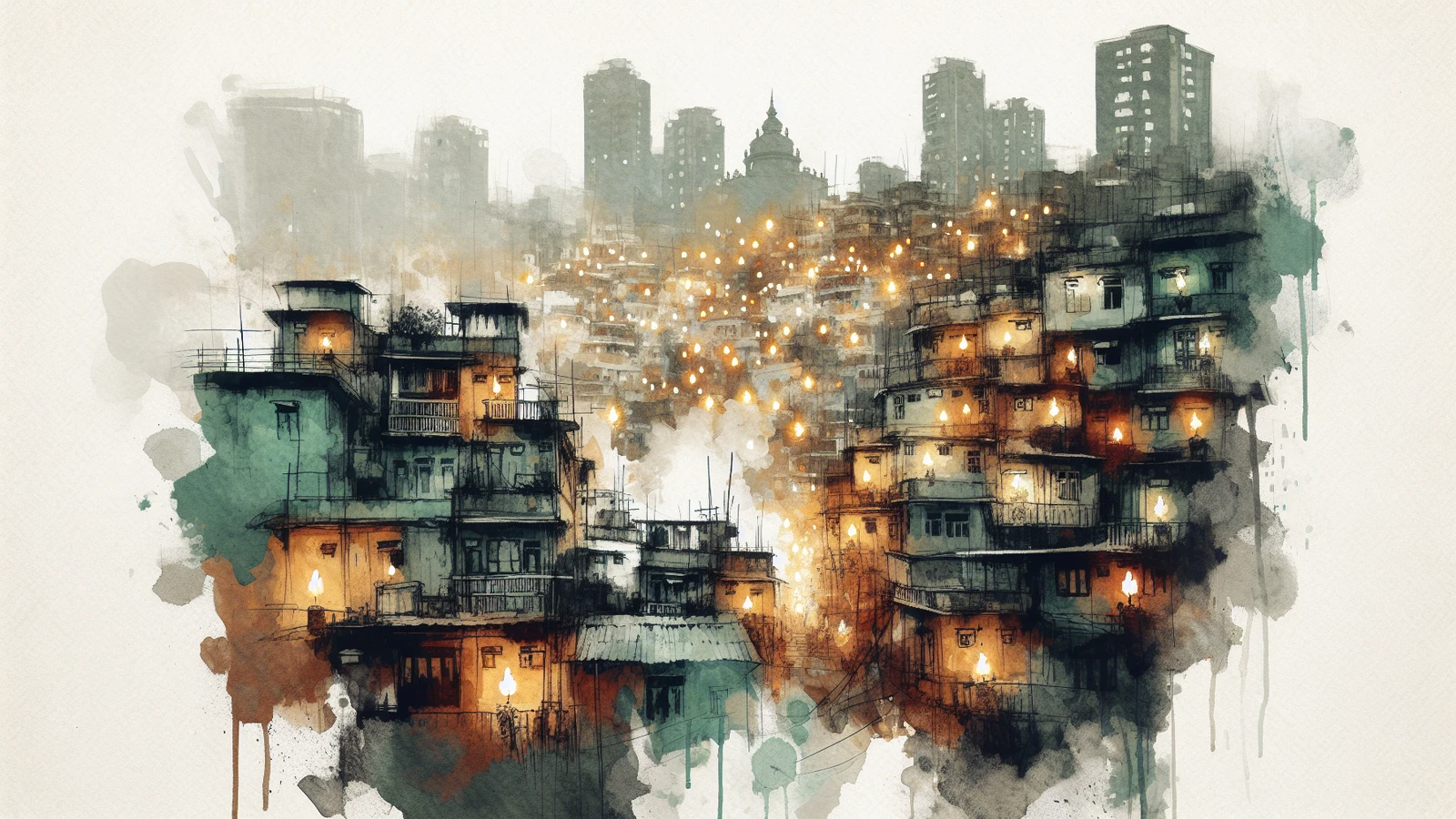
Experience Diwali's transformative power in Mumbai as millions of diyas turn darkness into sacred light, creating spiritual recipes of hope, prosperity, and ...
Picture walking through your neighborhood at sunset, but instead of streetlights flickering on, every home begins to glow with the warm flutter of a thousand tiny flames.
Windows frame dancing lights like golden jewelry. Doorsteps shimmer with oil lamps arranged in perfect rows. Balconies become altars of flickering prayers. Children carry diyas like cupped stars, placing them carefully along garden paths until the entire community transforms into a galaxy of earthbound constellations.
Why Darkness Fears the Festival of Lights

This is Diwali (Sanskrit for “row of lights”)—the Festival of Lights—when India becomes a kitchen where every household cooks with fire and faith, where light itself becomes the main ingredient in recipes for hope, prosperity, and triumph over whatever shadows try to dim the world's brightness.
This year, Diwali illuminates October 20-24, 2025, but its deeper message glows year-round: sometimes the most powerful response to darkness isn't argument or force—it's simply lighting a candle and inviting others to add their flames to yours.
“By his eye heaven and the sun were created. Heaven gives him rain and food, while the sun causes his light to shine. Thus do the heaven and the sun serve their parents, the eye.” — Unknown, Aitareya-Āraṇyaka, 414
The Kitchen Where Light Becomes Nourishment
Diwali (also called Deepavali, from deepa meaning lamp and avali meaning row) emerged from ancient India like a treasured family recipe—born from practical wisdom, seasoned with spiritual insight, and passed down through generations who understood that light isn't just something you see, it's something you create and share.
Every Diwali story tastes of the same essential ingredient: the triumph of light over darkness. But like any beloved dish, the same recipe produces infinite variations depending on who's doing the cooking and what their family stories bring to the table.
The Stories That Light the Lamps
Lord Rama's Homecoming: The most beloved Diwali legend tells of Prince Rama returning to Ayodhya after 14 years of exile, having defeated the ten-headed demon Ravana. When his people saw him coming home, they lit thousands of oil lamps to guide his way and celebrate his victory. Like the porch light your grandmother always left burning, these flames said, “Welcome home, beloved one.”
Lakshmi's Blessing: In some traditions, Diwali celebrates the birth and marriage of Lakshmi, goddess of wealth and abundance. Families light lamps to invite her into their homes, the way you might polish your best serving dishes when expecting honored guests.
“I shall assign the habitations according to their strength and power in bearing thee. As regards myself, I shall always take care, O Lakshmi, that I may not offend thee in any way.” — Vyāsa, The Mahabharata 12, 1234
Krishna's Victory: Another Diwali story celebrates Lord Krishna's defeat of the evil king Narakasura, representing the eternal truth that good ultimately prevails over evil—like yeast rising in bread, light has an irrepressible tendency to expand.
Divine Justice Served: The tale of Vishnu's dwarf incarnation Vamana banishing the tyrant King Bali shows that justice, like a perfectly timed soufflé, sometimes takes patience but always rises when the conditions are right.
The Sacred Schedule: Five Days of Light and Feast

Diwali unfolds like a carefully planned family gathering, where each day has its own purpose and flavor:
Day 1 - Dhanteras: Setting the Table for Abundance
Families clean their homes thoroughly and shop for gold, silver, or new utensils. Like preparing your kitchen for a feast, this day creates space for prosperity to enter. Traditional Diwali sweets begin appearing in shops, filling the air with the promise of celebration.
Day 2 - Naraka Chaturdashi: Clearing Away Bitterness
This day commemorates Krishna's victory over Narakasura. Families rise early for purifying baths and prepare special foods. It's like cleansing your palate before tasting something exquisite—making space for sweetness by removing what's bitter.
Day 3 - Lakshmi Puja: The Main Course
The heart of Diwali, when Goddess Lakshmi is invited into homes through elaborate prayers, feasts, and countless flickering lamps. This is the day when every household becomes a temple, every meal a sacrament, every flame a prayer for abundance and joy.
Day 4 - Govardhan Puja: Gratitude for Sustenance
Dedicated to Lord Krishna and the mountain he lifted to protect villagers. Families prepare and offer elaborate meals, recognizing that all nourishment—physical and spiritual—comes as gift, not entitlement.
Day 5 - Bhai Dooj: The Sweetest Bonds
Celebrating sibling relationships with special meals shared between brothers and sisters. Like the family recipes that bind generations together, this day honors the bonds that survive every storm and season.
The Sacred Art of Diwali Cooking

Diwali preparations transform ordinary kitchens into temples where love takes edible form. Weeks before the festival, homes fill with the rhythmic sounds of grinding spices, rolling dough, and the gentle bubbling of sweets in ghee.
Laddu: Golden Spheres of Joy
These perfectly round sweets symbolize completeness and prosperity—like capturing sunshine in edible form. Besan laddu (chickpea flour), boondi laddu (tiny fried droplets), and coconut laddu each carry regional stories and family secrets.
Traditional preparation involves:
- Roasting flour until it smells like toasted happiness
- Adding jaggery or sugar while the mixture still holds warmth
- Rolling into perfect spheres while prayers for prosperity shape each ball
- Sharing with neighbors because abundance multiplies when divided
Chakli: Spirals of Celebration
This western Indian specialty combines rice flour and gram flour with spices into delicate, crispy spirals. Made by pressing dough through special molds, chakli represents the intricate patterns life weaves when guided by patient hands and loving intention.
Perfect with:
- Masala chai that steams like incense
- Afternoon conversations that spiral through generations of family stories
- Children learning to shape their first imperfect but precious attempts
Samosa and Kachori: Pockets of Abundance
These golden pastries hide spiced potatoes, peas, and lentils like treasures wrapped in crispy parcels. During Diwali, making them becomes a community activity where multiple generations gather around kitchen tables, sharing techniques and stories while their hands stay busy folding abundance.
“Come, Agni, praised with song, to feast and sacrificial offering: sit As Hotar on the holy grass!” — Unknown, “Hymns of the Samaveda”, 1.1.1.1
Pulao and Biryani: Celebration Rice
These festive rice dishes combine grains, vegetables, and meat with aromatic spices until every bite tastes like a complete celebration. During Diwali, families prepare extra-large portions because prosperity means having enough to share with unexpected guests.
The Rituals That Make Houses Glow

Lighting the Diyas: Prayers Made Visible
Diwali's most iconic tradition involves placing small clay oil lamps (diyas) throughout homes and communities. Each flame represents a prayer, a hope, a gentle act of defiance against whatever darkness threatens joy. Families light them together, often with children learning to tend flames like tending the family's spiritual fire.
Rangoli: Edible Art for the Divine
Intricate patterns made from colored powders, flower petals, and rice decorate entrances and courtyards. Like setting a beautiful table for honored guests, rangoli creates sacred symbols that serve as a universal language of spirituality, with these intricate patterns creating sacred space that invites divine blessings into ordinary homes.
Fireworks: Joy Exploding into Light
While diyas provide gentle, contemplative light, fireworks offer exuberant celebration—joy so abundant it can't be contained, bursting into the sky like laughter made visible.
New Clothes and Gift Exchange
Diwali shopping transforms markets into treasure troves of silk sarees, embroidered kurtas, jewelry, and sweets. Like dressing for a wedding, wearing new clothes honors both the occasion and the people you'll celebrate with.
Universal Light: Diwali Across Traditions
Diwali's radiance extends beyond Hinduism, embracing multiple faiths in India's beautiful tapestry of belief:
Hindu Celebrations
Focus on Rama's return and Lakshmi's blessings, with each region adding local flavors to universal themes of light triumphing over darkness.
Jain Observance
Commemorates Lord Mahavira's nirvana (Sanskrit for liberation), when his spiritual light achieved perfect freedom from earthly attachments.
Sikh Recognition
Celebrates Bandi Chhor Divas (Punjabi for “Prisoner Release Day”)—the release of Guru Hargobind Ji from prison, honoring freedom and justice.
Each tradition adds its own ingredients to Diwali's feast of light, proving that the most nourishing celebrations are those with room for everyone's stories.
“To this fair sacrifice to drink the milky draught art thou called forth: O Agni, with the Maruts come!” — Unknown, “Hymns of the Samaveda”, 1.1.2.1
How Anyone Can Add Their Light to Diwali
Diwali's message transcends religious boundaries, offering universal wisdom about creating light in dark times—a theme that unites many world religions:
Light candles in your own windows during Diwali as a gesture of solidarity and hope Share sweets with neighbors of all backgrounds—sweetness needs no translation Learn about the festival from Hindu, Jain, or Sikh friends, approaching with the same curiosity you'd bring to tasting a new cuisine Support local South Asian businesses during Diwali season, especially those selling traditional sweets and decorations Practice the art of welcome by making your home a place where others feel the warmth of belonging
The Darkness That Lights Refuse to Accept
In our current world—marked by division, uncertainty, and countless reasons for despair—Diwali offers ancient wisdom wrapped in flickering flame: darkness is not the absence of light; it's the invitation to create more light. For those seeking similar wisdom about overcoming darkness, exploring the dark night of the soul offers profound insights into how fragility can become strength.
Every diya lit during Diwali whispers the same defiant hope: evil may seem powerful, but good is more persistent. Ignorance may seem widespread, but wisdom keeps spreading. Despair may seem overwhelming, but joy keeps finding ways to multiply.
When millions of families across India simultaneously light their lamps, they're not just observing tradition—they're participating in humanity's oldest form of protest against everything that tries to dim the world's brightness.
The Light That Cooks with Love
Diwali teaches that the most powerful responses to darkness aren't grand gestures but simple, repeated acts of illumination: lighting a lamp, sharing a sweet, welcoming a stranger, telling a story that preserves hope. This wisdom echoes through other traditions that celebrate light triumphing over darkness, as seen in the oil that wouldn't die during Hanukkah.
In kitchens across India, grandmothers continue teaching that the best meals happen when everyone contributes light—whether through perfectly rolled laddu, carefully arranged diyas, or simply showing up with joy to share. The festival reminds us that abundance isn't about having everything; it's about having enough to share with whoever needs feeding.
This Diwali, whether you light one candle or a thousand, whether you make traditional sweets or simply smile at a stranger, you're participating in humanity's most delicious rebellion: the refusal to let darkness have the final word.
The flames that flicker in Mumbai windows tonight carry the same message as those lit in ancient Ayodhya: Welcome home, beloved ones. The light you bring is exactly what we've been waiting for.
In the end, Diwali isn't just about defeating darkness—it's about recognizing that every person carries the capacity to be light in someone else's darkness, to cook up hope in kitchens of the heart, and to set tables where love is the main course and everyone leaves nourished.
A million flames against the dark aren't just pretty—they're proof that when ordinary people decide to create light together, no darkness stands a chance.
Deeper Into the Sacred Light
- The Ten Heads We Carry: Dussehra Victory Good Over Evil - Explore the triumph over inner darkness
- World Religion 101: A Beginner's Guide to Global Faiths - Discover how different traditions celebrate light
- Sacred Symbols: The Universal Language of Spirituality - Understanding the symbolism of light across faiths
About the Light Keeper
Mercy Iburuoma illuminates how festivals like Diwali transform ordinary acts—lighting a lamp, sharing sweets, welcoming guests—into sacred rebellion against darkness. Her interfaith perspective reveals the universal power of choosing light over despair, whether through Mumbai's million diyas or a single candle in your window. She specializes in finding the divine in kitchen conversations and family gatherings where every flame carries a prayer and every shared sweet multiplies joy.