The Oil That Wouldn't Die: How One Day's Faith Became Eight Nights of Forever
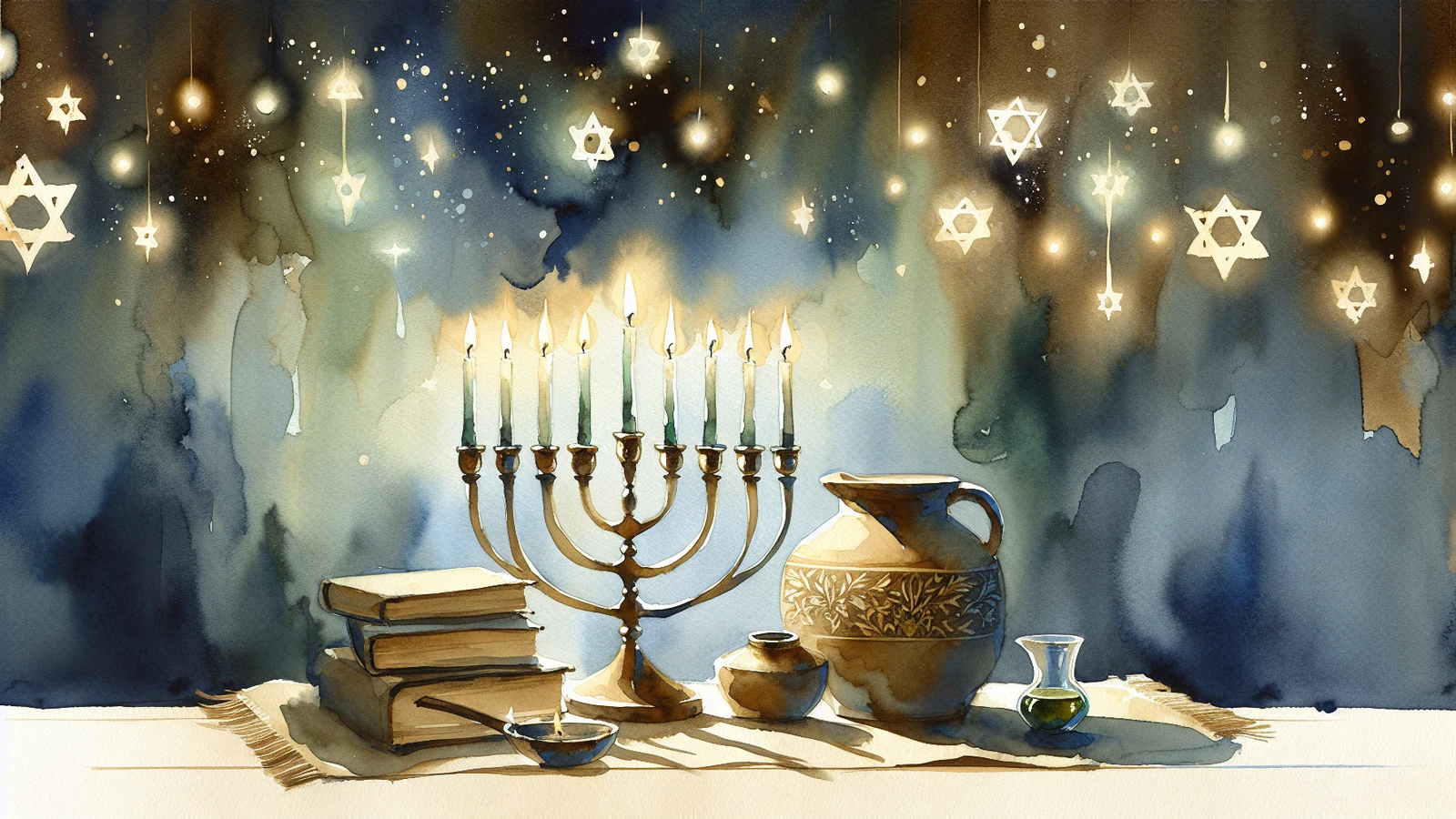
Hanukkah 2025 guide: Discover how one jar of oil defied logic to burn eight nights, bringing hope and light during December 14-22 Festival celebrations.
Picture opening your kitchen cabinet to find only enough ingredients for one meal—but you have eight unexpected guests arriving tonight, tomorrow, and every night for a week.
You could panic. You could turn people away. You could apologize that there simply isn't enough to go around.
Or you could do what grandmothers have always done in impossible situations: light the stove anyway, start with what you have, and trust that somehow love will multiply the little into abundance.
What if one small jar of oil could teach the whole world about the kind of faith that lights candles even when logic says they'll burn out before dawn?
This is the heart of Hanukkah, the eight-night Festival of Lights that begins at sundown on December 14, 2025, and ends at nightfall on December 22, 2025. More than just a Jewish holiday, it's a timeless story about refusing to let darkness win, even when—especially when—you don't have enough resources to make the light last.
In our age of scarcity thinking and depleted resources, Hanukkah whispers ancient wisdom: sometimes the most profound miracles happen when we light what little we have instead of waiting until we have enough—the same timeless lesson that connects Jewish celebrations with the broader tapestry of world religions that find sacred meaning in light's triumph over darkness.
When Faith Faced an Empty Pantry
To understand the miracle, picture Jerusalem's Temple after the Seleucid King Antiochus IV Epiphanes finished with it. This wasn't just political conquest—it was spiritual devastation designed to break the Jewish people's connection to their God.
The king had filled the sacred space with foreign idols, sacrificed pigs on holy altars, and erected a statue of Zeus where only the presence of the Divine belonged. For devout Jews, this wasn't just offensive—it was the end of the world as they knew it.
“Thou shalt have no other gods before Me. Thou shalt not make unto thee a graven image, even any manner of likeness, of any thing that is in heaven above, or that is in the earth beneath, or that is in the water under the earth.” — Deuteronomy 5:7-8
When Mattathias and his son Judas Maccabeus led their small band of rebels to reclaim the Temple, they weren't professional soldiers—they were ordinary people who loved their faith more than they feared their enemies, exemplifying the same moral courage that anchors divine law and resonates through Jewish tradition from the shofar's ancient call at Rosh Hashanah to these moments of profound faith. Like families defending their homes from intruders, they fought not with military strategy but with desperate devotion.
After their unlikely victory, they faced an immediate crisis: the Temple's eternal flame must burn continuously before God, but they found only one small jar of consecrated oil—enough for a single day.
Creating new sanctified oil required eight days of careful preparation under priestly supervision. Logic said to wait. Practicality suggested postponing the rededication. Caution whispered that one day's oil couldn't possibly last.
But faith said light it anyway.

The Sacred Art of Oil-Making
The oil that would fuel this miracle wasn't ordinary cooking oil—it was liquid prayer, prepared with the same care families put into treasured recipes passed down through generations.
“And thou shalt command the children of Israel, that they bring unto thee pure olive oil beaten for the light, to cause a lamp to burn continually. In the tent of meeting, without the veil which is before the testimony, Aaron and his sons shall set it in order, to burn from evening to morning before the LORD; it shall be a statute for ever throughout their generations on the behalf of the children of Israel.” — Exodus 27:20-21
Olives were harvested at perfect ripeness, crushed gently to preserve their essence, pressed carefully to extract the purest first drops. According to the Mishnah, this first-press oil burned with exceptional clarity and duration—the finest offering worthy of illuminating God's presence.
The eight-day preparation process wasn't just about creating fuel; it was about creating something worthy of the sacred space it would illuminate. Like the difference between a hastily prepared meal and one made with love and time, this oil carried intentionality in every drop.
When the Maccabees lit their single jar, they were betting everything on the belief that God honors faithful action even when resources seem insufficient.

Eight Nights, Eight Meanings
The oil that should have burned out after one day kept the Temple's light glowing for exactly eight days—precisely the time needed to prepare new consecrated oil. This wasn't just convenient timing; it was, in Jewish understanding, divine choreography.
The number eight carries profound symbolism in Jewish tradition. Seven represents completion—the days of creation, the rhythm of earthly time. Eight represents transcendence—what lies beyond natural order, where divine possibility breaks into human limitation.
Jewish boys are circumcised on the eighth day, marking their entry into covenant relationship with God. The eighth day represents new beginnings that transcend natural cycles, divine intervention in human affairs, hope that reaches beyond what seems possible.
“Moreover Judas and his brethren with the whole congregation of Israel ordained, that the days of the dedication of the altar should be kept in their season from year to year by the space of eight days, from the five and twentieth day of the month Casleu, with mirth and gladness.” — 1 Maccabees 4:59

How Eight Candles Light the World
Today, Hanukkah transforms ordinary homes into sanctuaries of light. Beginning on the 25th day of Kislev (December 25, 2025), Jewish families gather around the hanukkiah (nine-branched menorah) for eight nights of growing illumination.
Each night, one more candle joins the light. The shamash (helper candle) lights the others, creating a progression from single flame to blazing celebration. Work continues during the day, but sadness is set aside—these are nights for joy, gratitude, and remembering that small lights can push back enormous darkness.
Prayers are recited, stories are told, blessings are sung, and families create new memories around ancient light. Children learn that faith sometimes means lighting candles even when you don't have enough oil to make them last.
Foods That Remember the Miracle
Hanukkah meals become edible theology—every dish connecting families to the miracle of oil that wouldn't surrender to scarcity. The tradition centers around foods cooked in oil, transforming ordinary ingredients into sacred remembrance:
Latkes: Golden potato pancakes crispy on the outside, tender within, served with applesauce or sour cream. Each bite tastes like the miracle itself—simple ingredients transformed by oil into something more beautiful than the sum of their parts.
Sufganiyot: Pillowy jelly donuts that burst with sweetness, popular in Israel and symbolizing joy that can't be contained. Like the oil that overflowed expectations, these treats overflow with delight.
Brisket: Slowly braised beef that becomes tender through patient cooking, served with carrots, onions, and potatoes—comfort food that gathers families and warms hearts during winter nights.
Challah: Braided bread that appears at many Jewish celebrations, its golden crust and soft interior representing the beauty that emerges when simple ingredients are treated with reverence.
Matzo Ball Soup: Chicken broth embracing fluffy dumplings and vegetables—the kind of soup that says “you're loved” in every spoonful, perfect for cold December evenings when light feels most precious.
These aren't just meals; they're annual reminders that abundance can emerge from scarcity when faith meets action.

Universal Light in Different Languages
The Festival of Lights speaks a language that transcends religious boundaries—the universal human need for hope in darkness, light in despair, community in isolation:
Christianity's Advent Hope
Christians light Advent candles through December, each flame representing hope, peace, joy, and love—four lights that prepare hearts for Christmas light entering the world.
“The people that walked in darkness have seen a great light:” — Isaiah 9:2

Hinduism's Diwali Celebration
Hindu families transform neighborhoods into seas of oil lamps (diyas) during Diwali, celebrating light's triumph over darkness and inviting Lakshmi, the goddess of prosperity, into homes through luminous welcome.
“The Light of Lights He is, in the heart of the Dark Shining eternally.” — Vyāsa, “The Bhagavad Gita”, 13:17

Buddhism's Lantern Festivals
Buddhist communities float lights on water and hang lanterns in temples during Vesak, symbolizing Buddha's wisdom radiating enlightenment into the world. These illuminating traditions share deep spiritual connections with other festivals of lights like the Chinese Lantern Festival, where communities gather to kindle hope in darkness.
Islam's Ramadan Lanterns
Though not a festival of lights, Muslims in many cultures illuminate Ramadan nights with fanous (lanterns), creating guidance during long nights of fasting and reflection.
“God is the LIGHT of the Heavens and of the Earth. His Light is like a niche in which is a lamp — the lamp encased in glass — the glass, as it were, a glistening star.” — “The Holy Quran”, 24:35

Each tradition recognizes the same truth: light shared multiplies rather than diminishes, hope kindled spreads rather than dies.

Your Own Jar of Oil
This Hanukkah, as menorahs glow in windows around the world, consider what single jar of oil you might have—what small resource, limited time, insufficient skill that logic says isn't enough but love says light it anyway.
Maybe it's patience with difficult family members during holiday gatherings. Maybe it's energy for serving your community when you're already exhausted. Maybe it's hope for healing relationships that seem beyond repair. Maybe it's faith that tomorrow can be better than today despite all evidence to the contrary.
Hanukkah teaches that miracles often begin not when we have enough, but when we offer what little we have with complete trust. Like the Maccabees lighting their insufficient oil, sometimes the most profound acts of faith happen when we start with what we have instead of waiting for what we lack.
Ways to Honor the Light
Whether you're Jewish or simply inspired by the story, Hanukkah offers gentle invitations:
Light candles in your own windows—let your home become a beacon of hope for neighbors walking through their own dark seasons.
Practice generous hospitality—invite friends from different backgrounds to share meals and stories, discovering how light multiplies when shared.
Give gifts that matter—choose presents that kindle joy, foster connection, or support causes that push back darkness in practical ways.
Learn from Jewish friends—ask respectful questions about their traditions, attend community celebrations with open hearts and curious minds.
Serve together—volunteer for organizations that bring light to dark places—homeless shelters, food banks, programs that serve isolated elderly people.
The Oil That Still Burns
The eight nights of Hanukkah remind us that some lights refuse to go out no matter how insufficient their fuel seems. In our age of climate anxiety, political division, economic uncertainty, and social isolation, we need the Maccabees' wisdom: when darkness seems overwhelming, light what little you have instead of lamenting what you lack—the same courageous faith that connects Jewish wisdom to the healing power of atonement found in the sacred observance of Yom Kippur and transforms our understanding of global spiritual traditions.
The oil that wouldn't die teaches that faith often looks foolish until it proves miraculous. The one-day supply that lasted eight nights whispers that God specializes in making little into much when offered with trust rather than hoarded in fear.
This December, as Hanukkah candles push back winter darkness one flame at a time, they carry the same message that has sustained hope for centuries: Your small light matters. Your insufficient oil can last longer than logic suggests. Your faithful action in dark times can kindle hope that outlasts the darkness.
The Festival of Lights doesn't promise that we'll never face empty pantries or insufficient resources. It promises that when we light what little we have instead of waiting until we have enough, we join a tradition of miracle-workers who've been proving for millennia that love multiplies light rather than dividing it.
Eight nights, eight candles, eight reminders: The oil that should have run out didn't. The light that should have died didn't. The hope that should have faded didn't.
And neither will yours.
Further Reading on Light and Miracles
Explore more about divine light and miraculous faith in these sacred texts available through Ocean Library's immersive interfaith collection:
- The Book of Genesis - Foundations of faith and covenant
- The Book of Isaiah - Prophecies of light overcoming darkness
- 1 Maccabees - The historical account of Hanukkah
- The Bhagavad Gita - Divine light and eternal wisdom
- The Holy Quran - Allah as the Light of Heaven and Earth
About the Keeper of Light
Mercy Iburuoma is an interfaith writer at Ocean Library who finds inspiration in how different traditions teach similar lessons about hope and resilience. Having witnessed how small acts of faith can create lasting change across cultures, she writes about the miracles that happen when we light what little we have instead of waiting for abundance. When she's not exploring sacred texts, you'll find her teaching her children that the best miracles often start with insufficient resources and abundant faith. She has a deep love for sacred texts and enjoys exploring how ancient wisdom speaks to modern challenges, especially the kinds of everyday struggles that require us to keep going even when resources feel limited.
Related Articles
- Lantern Festival: Illuminating the Path to Spiritual Enlightenment - festival of lights
- Free Immersive Interfaith Library - sacred texts
- Yom Kippur: The Universal Power of Atonement and Forgiveness - forgiveness prayer