Prayer Potpourri: Exploring Diverse Spiritual Communication Methods
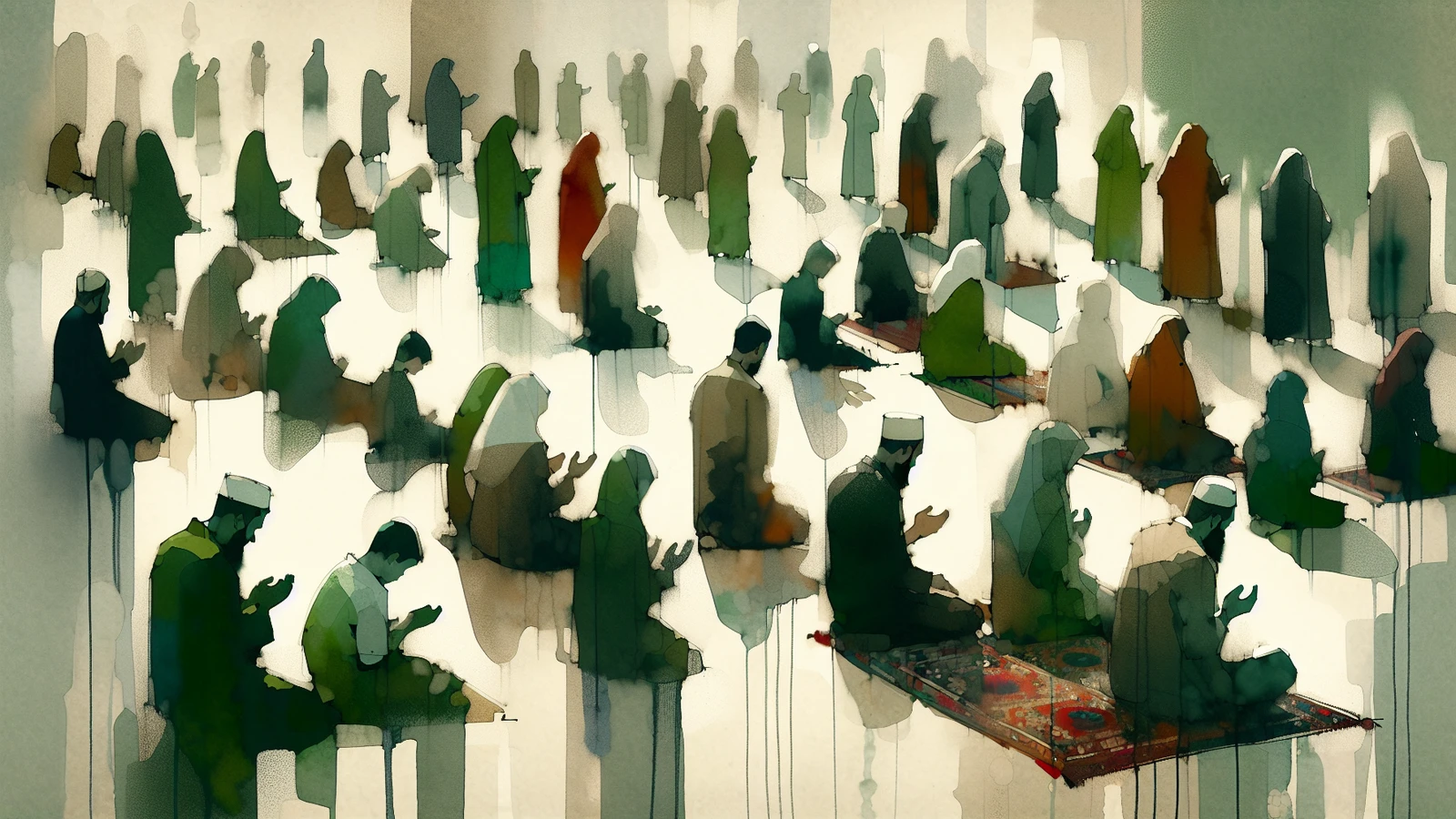
Discover how prayer transforms lives across religious traditions through vocal chants, silent meditation, physical gestures, and spontaneous divine communion.
Prayer Potpourri: Exploring Diverse Spiritual Communication Methods

Human beings have always sought connection with something greater than themselves, expressing this yearning through the sacred act of prayer. Prayer is not merely a ritual or a set of words; it is a profound language of the soul, a dynamic bridge between the human and the divine. It manifests in myriad forms—silent meditation, vocal chants, physical gestures, scripted recitations, and spontaneous cries—each shaped by unique cultural and theological frameworks yet united in purpose: to reach beyond the ordinary and touch the sacred.
While many imagine prayer as a simple monologue directed at a deity, the truth is far richer and more complex. Prayer encompasses listening, surrender, presence, and transformation. It channels hope in despair, gratitude in abundance, and humility before mystery. As the Psalmist reveals,
“In my distress I called upon the LORD, and cried unto my God: he heard my voice out of his temple, and my cry came before him, even into his ears.” — Psalm 18:6

This ancient testament captures prayer as living communication—intimate, urgent, and deeply human.
In this article, we explore the rich diversity of prayer methods across world religions, examining how humanity's longing for divine communion finds expression in sound, silence, movement, and thought. We seek not only to understand these varied forms but also to honor their shared role as conduits of spiritual transformation and grace.
The Essence of Prayer: Beyond Words to Presence
Prayer transcends the spoken word. It is a state of being in dialogue with the divine mystery. The Bhagavad Gita teaches,
“Whate’er thou doest, Prince! Eating or sacrificing, giving gifts, Praying or fasting, let it all be done For Me, as Mine.” — Bhagavad Gita 9.15

This reveals that prayer can permeate all actions, cultivating continuous awareness and devotion.
In Christian mysticism, prayer often moves beyond language into silent communion. The Gospel of John emphasizes,
“God is a Spirit: and they that worship him must worship him in spirit and in truth.” — John 4:24

This indicates that prayer is ultimately an inward posture, a receptivity where words may give way to profound presence.
The mystics across traditions understood prayer as a fundamental reorientation of consciousness. In Sufism, the heart becomes a sacred chamber where the divine presence dwells through constant remembrance. Hindu sages speak of prayer as the natural overflow of a soul recognizing its divine essence. Indigenous traditions view prayer as participation in the sacred web of existence, acknowledging interconnectedness with all life.
Vocal Prayer: The Power of Spoken Word and Song
Vocal prayer is one of the most accessible and widespread methods of spiritual communication. The Qur'an commands,
“RECITE thou, in the name of thy Lord who created” — Qur'an 96:1

underscoring the sacredness of uttered words. Islamic prayer (Salat) combines precise Qur'anic recitations with bodily postures, harmonizing mind, voice, and spirit.
Judaism's Shema prayer proclaims,
“Hear, O Israel: The LORD our God is one LORD” — Deuteronomy 6:4

forming the foundation of Jewish faith through vocal affirmation. Christian liturgical traditions use psalms and hymns to unite congregations in praise and petition.

Buddhist mantra chanting, such as “Om Mani Padme Hum,” serves to focus the mind and invoke compassion. The sonic quality of mantras is considered transformative, linking sound to spiritual awakening. In Tibetan Buddhism, the repetition of mantras creates vibrational frequencies believed to purify consciousness and align practitioners with enlightened beings.
Hindu traditions recognize the power of sacred sound through the concept of “Shabda Brahman”—the divine as cosmic vibration. The ancient practice of kirtan involves communal singing that dissolves the ego through devotional surrender. Sikh gurbani singing transforms worship into melodic prayer, where the congregation becomes a unified voice of devotion through the sacred verses of the Guru Granth Sahib.
Silent and Meditative Prayer: The Language of Stillness
Silence is often the most profound form of prayer. The Tao Te Ching teaches,
“He who knows (the Tao) does not (care to) speak (about it); he who is (ever ready to) speak about it does not know it.” — Tao Te Ching 56.1

illustrating how silence can express the inexpressible.
Christian mystics like Teresa of Ávila described contemplative prayer as an intimate friendship beyond words. Her interior castle metaphor reveals prayer as a journey through mansions of the soul toward divine union. Zen Buddhism's zazen practice embodies silent meditation as prayer, fostering direct awareness without conceptual overlay.
Islamic dhikr may be silently repeated within the heart, deepening inward focus. The breath becomes a vehicle for remembrance, each inhalation and exhalation carrying divine names. Jewish hitbodedut involves personal, spontaneous prayer in solitude, valuing silence as space for honest divine dialogue.

Quaker worship exemplifies communal silence as prayer, where the gathered community waits in expectant stillness for divine movement. This practice demonstrates how silence can become a collective spiritual discipline, creating sacred space for authentic encounter with the divine, similar to other forms of contemplative prayer found across traditions.
Physical Gestures and Ritual Movements: Embodied Prayer
Prayer is also embodied through physical acts such as bowing, kneeling, and prostration. In Islam, sujud (prostration) expresses submission to God during prayer, positioning the believer in humility before divine majesty. Hindu puja rituals include gestures like anjali mudra (palms pressed together), symbolizing respect and the unity of polarities within the divine.

Christian prayer often involves kneeling or crossing oneself, externalizing reverence and marking sacred moments. Buddhists perform prostrations before sacred images, aligning body and mind in devotion while purifying pride and ego attachment.
Native American traditions incorporate dance, drumming, and ceremonial movements as forms of embodied prayer. The sweat lodge ceremony becomes a physical prayer of purification, while vision quests involve bodily sacrifice as spiritual offering. These practices recognize the body as a sacred vessel through which divine communication flows.
Yoga, literally meaning “union,” transforms physical postures into prayer positions that harmonize body, breath, and consciousness. Each asana becomes an offering, each breath a sacred invocation of divine presence within the embodied self. The Yoga Sutras of Patanjali provide profound insights into this embodied spiritual practice, teaching how physical discipline becomes spiritual communion.
Scripted and Liturgical Prayer: Tradition and Structure
Many prayers are formalized and repeated, connecting individuals to communal faith. The Lord's Prayer,
“After this manner therefore pray ye: Our Father which art in heaven, Hallowed be thy name. Thy kingdom come, Thy will be done in earth, as it is in heaven. Give us this day our daily bread. And forgive us our debts, as we forgive our debtors. And lead us not into temptation, but deliver us from evil: For thine is the kingdom, and the power, and the glory, for ever. Amen.” — Matthew 6:9–13

unites Christians worldwide in common petition and praise. Its structure encompasses adoration, petition, confession, and surrender.
Judaism's Amidah prayer structures daily worship into blessings of praise and petition, creating a comprehensive framework for approaching the divine. Hinduism's Gayatri Mantra invokes divine cosmic light and is recited daily by millions, connecting practitioners to an ancient lineage of spiritual seekers.

Such structured prayers create rhythm and continuity, grounding faith communities in shared words and values. They serve as spiritual anchors that transcend individual moods and circumstances, providing reliable pathways to divine encounter. The beauty of liturgical prayer lies in its capacity to carry practitioners beyond personal limitations into the wisdom of collective spiritual experience.
Spontaneous and Personal Prayer: The Language of the Heart
Beyond liturgy, spontaneous prayer reflects raw, heartfelt communication. Psalm 130 declares,
“Out of the depths have I cried unto thee, O LORD.” — Psalm 130:1

capturing the authentic desperation and hope that characterizes unscripted prayer.
In Islam, dua represents personal supplication available anytime, anywhere. These intimate conversations with Allah express individual needs, gratitude, and seeking guidance. Sufi poets like Rumi give voice to passionate longing, transforming personal prayer into universal expressions of divine love.
Christians are encouraged to speak freely to God, deepening authenticity in relationship. Pentecostal traditions emphasize glossolalia or “praying in tongues” as Spirit-led communication that transcends rational language. This spontaneous utterance represents prayer as divine gift rather than human effort.
Transformative Power of Prayer: A Universal Human Experience
Prayer fosters peace, moral clarity, and resilience. The Dhammapada advises,
“Even though a speech be a thousand (of words), but made up of senseless words, one word of sense is better, which if a man hears, he becomes quiet.” — Dhammapada 100

Authentic prayer transforms the pray-er, creating inner spaciousness and compassionate responsiveness to life's challenges.
Contemporary studies affirm prayer's benefits for stress reduction and emotional balance. Research indicates that regular prayer practice correlates with improved mental health, enhanced immune function, and greater life satisfaction, connecting with broader research on healing prayers as wellness practices, similar to intercessory prayer traditions. Traditional wisdom emphasizes prayer's ability to realign the soul with transcendent truth, fostering ethical clarity and spiritual maturity.
Prayer cultivates virtues essential for human flourishing: patience, gratitude, compassion, and humility. Through consistent practice, practitioners develop what mystics call “the prayer of the heart”—a continuous underlying awareness of divine presence that sanctifies ordinary experience.
Prayer as Bridge: Interfaith Dialogue and Shared Spirituality
Prayer opens paths for interfaith respect and understanding. Shared silence and mutual rituals foster appreciation for diverse expressions of universal spiritual longing. Psalm 145:18 affirms,
“The LORD is nigh unto all them that call upon him, to all that call upon him in truth.” — Psalm 145:18

suggesting divine accessibility across religious boundaries.
Interfaith prayer gatherings demonstrate humanity's common yearning for transcendence. When people of different traditions pray together—whether in spoken word, shared silence, or parallel practice—they discover the universal language of the seeking heart. These encounters reveal that beneath theological differences lies a shared human capacity for wonder, reverence, and hope, demonstrating the same principles found in universal values between sacred traditions.
Despite differences in form, doctrine, and practice, prayer expresses a universal human yearning for transcendence and connection. It remains humanity's most intimate technology for touching the infinite, transforming both individual consciousness and collective understanding of what it means to be fully human in relationship with the sacred mystery that sustains all existence.

Related Articles
- Contemplative Prayer: Silence and Stillness Across Traditions - Deep dive into silent prayer practices
- Bridge Builders: Sacred Walls Become Doors - Interfaith dialogue through shared prayer
About the Author
Elly Marimbocho is a seasoned writer with a background in Religious Studies and over a decade of experience producing long-form educational content on theology, interfaith spirituality, and world religions. Passionate about the contemplative heart of faith, Elly creates in-depth, reverent, and accessible guides that help readers engage meaningfully with religious wisdom across traditions. Explore more of her insights into Tibetan prayer flag traditions and the art of building interfaith understanding through shared spiritual practices like prayer and meditation.