Prophetic Dreams: Divine Messages in the Night
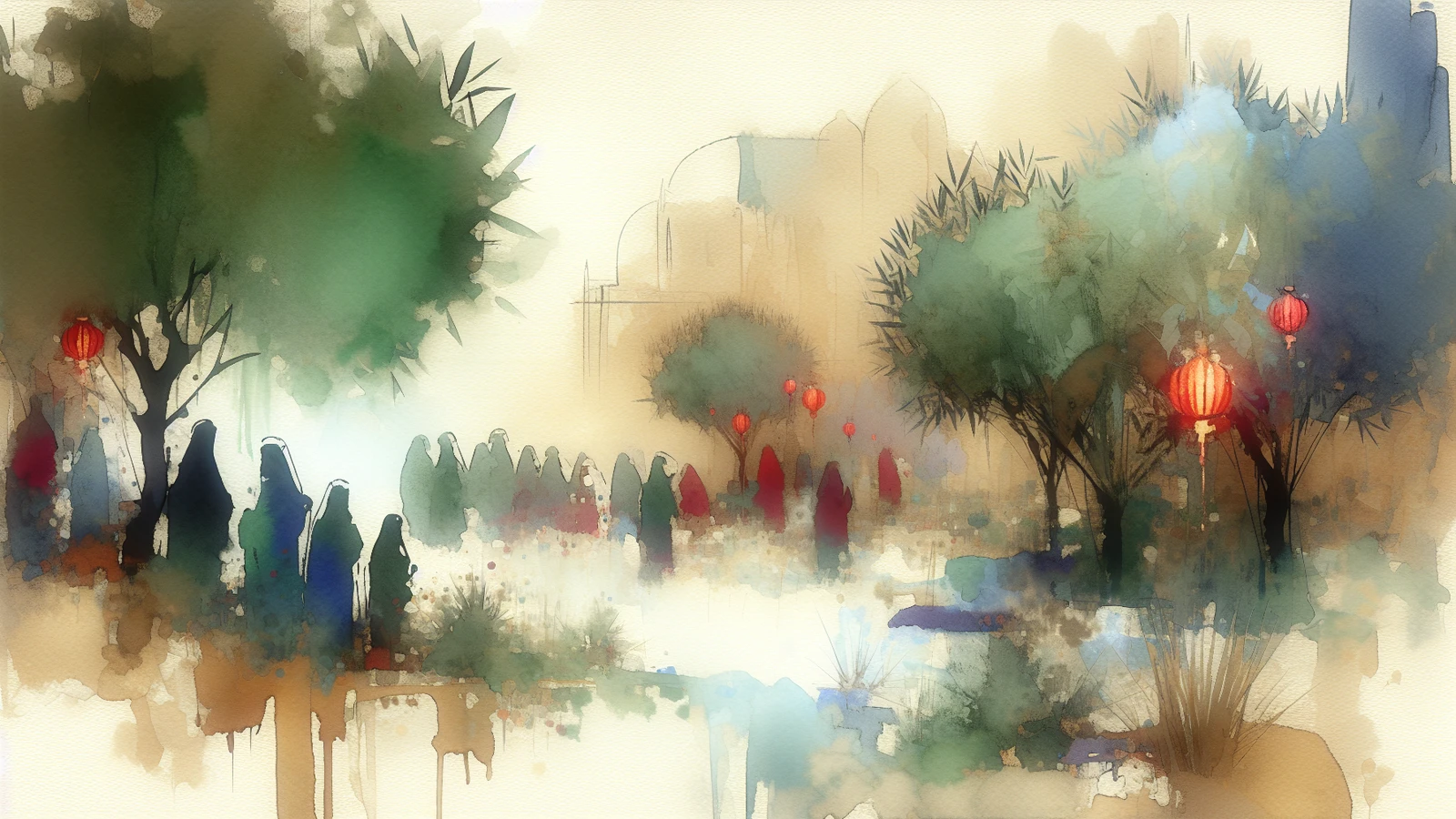
Divine messages arrive through prophetic dreams across religious traditions, revealing how sacred sleep becomes a universal channel for spiritual guidance.
Prophetic Dreams: Divine Messages in the Night

When Pharaoh's dreams of seven fat cows devoured by seven lean ones haunted his sleep, he could never have imagined that a Hebrew prisoner named Joseph would transform those nighttime visions into a blueprint for saving Egypt from famine. Across the ancient world and into our modern era, the boundary between sleep and sacred revelation has remained remarkably thin, with countless believers awakening to find their dreams charged with divine significance, preserved in sacred texts for future generations.
The phenomenon of prophetic dreams—nocturnal visions believed to carry messages from the divine realm—represents one of humanity's most enduring spiritual experiences. From the ziggurats of Mesopotamia to contemporary prayer circles, cultures across time and geography have recognized sleep as a unique threshold where the sacred breaks through into human consciousness, developing detailed methodologies to distinguish true prophetic visions from ordinary dreams, similar to the sophisticated Islamic dream interpretation traditions.
Ancient Foundations of Divine Dreams
The earliest recorded prophetic dreams emerge from the cuneiform tablets of ancient Mesopotamia, where kings routinely consulted dream interpreters before making crucial decisions. The Epic of Gilgamesh, dating to around 2100 BCE, features the hero receiving divine guidance through dreams that shape his legendary journey. These weren't mere psychological phenomena to the ancients—they were direct communications from the gods.
In ancient Egypt, dream incubation became a sophisticated religious practice. Seekers would sleep in temple complexes dedicated to healing deities like Imhotep, hoping to receive diagnostic dreams that would cure their ailments. Greek culture elevated prophetic dreams through the practice of dream incubation at temples of Asclepius, where pilgrims underwent purification rituals and slept in sacred chambers, awaiting dreams that would reveal spiritual and physical remedies.

Biblical Visions: When Heaven Touches Earth
The Hebrew Bible presents dreams as one of God's primary communication channels with humanity. As the divine voice declares:
“And he said, Hear now my words: If there be a prophet among you, I the LORD will make myself known unto him in a vision, and will speak unto him in a dream.” — Numbers 12:6 (NIV)

This divine endorsement transforms dreams from mere mental activity into potential sacred encounters.
Joseph's interpretive gifts in Genesis showcase the Bible's sophisticated understanding of prophetic dreams. His ability to decode Pharaoh's agricultural visions demonstrates how divine revelation can address practical, worldly concerns. The seven years of plenty followed by seven years of famine weren't just spiritual metaphors—they were economic forecasts that saved an empire.
Daniel's dream interpretations in the Babylonian court further illustrate how prophetic dreams transcend cultural boundaries. When King Nebuchadnezzar forgot his dream but demanded its interpretation anyway, Daniel's divinely revealed response provided a prophetic timeline spanning centuries of political upheaval.
The New Testament continues this tradition with Joseph's dreams about Mary's pregnancy, the wise men's warning dream about Herod, and Pilate's wife's disturbing dream about Jesus's innocence. These dreams consistently serve as divine interventions at crucial historical moments.

Islamic Traditions: The Prophet's Night Visions
Islam holds prophetic dreams in especially high regard, with the Quran and hadith literature providing extensive guidance on their significance. The Prophet Muhammad experienced numerous prophetic dreams, as recorded in the hadith literature:
“The Prophet said, “The (good) dreams of a faithful believer is a part of the forty-six parts of prophetism.'” — Sahih al-Bukhari, Volume 9, Book 87.6

This fraction suggests that while prophecy has ended with Muhammad, divine communication through dreams continues for believers.
The Quran recounts Ibrahim's (Abraham's) divine dream with profound simplicity:
“And when he became a full-grown youth, His father said to him, “My son, I have seen in a dream that I should sacrifice thee; therefore, consider what thou seest right.” He said, “My father, do what thou art bidden; of the patient, if God please, shalt thou find me.” — Quran 37:102

This vision was so compelling that it led to one of faith's ultimate tests. The festival of Eid al-Adha commemorates Ibrahim's willingness to obey this divine dream, demonstrating how prophetic visions can establish lasting religious observances.
Islamic tradition distinguishes between three types of dreams: dreams from Allah (ru'ya), dreams from Satan (hulm), and dreams from one's own psyche (ahdath an-nafs). Muslim scholars developed detailed methodologies for interpreting dreams, with works like Ibn Sirin's “Dictionary of Dreams” becoming foundational texts that emphasize moral and spiritual guidance.

Eastern Wisdom: Dreams as Spiritual Awakening
Buddhism approaches prophetic dreams through the lens of enlightenment and spiritual development. The Buddha's mother, Queen Maya, experienced a prophetic dream of a white elephant entering her side, which Buddhist tradition interprets as the announcement of the Buddha's conception. This dream established the legitimacy of the future Buddha's mission.
Hindu traditions recognize dreams as one of four states of consciousness, alongside waking, deep sleep, and the transcendent state of turiya. The ancient Mandukya Upanishad offers profound insight:
“The third is the state of deep sleep where one asleep neither desires any object nor sees any dream. The third quarter is prajna, whose sphere is deep sleep, in whom all experiences become unified, who is the mass of consciousness, who is full of bliss.” — [Mandukya Upanishad 1.5]
This text explores how dream consciousness can provide insights into the nature of reality itself. Prophetic dreams in Hinduism often come through divine messengers or manifestations of deities, providing guidance for spiritual seekers and devotees.
Tibetan Buddhism developed sophisticated practices around dream yoga, where advanced practitioners learn to maintain awareness during dreams, using the dream state for spiritual advancement. Chinese traditions, influenced by Taoism and Buddhism, developed the concept of “divine dreams” (shenlong) that could reveal future events or provide guidance from deceased ancestors, connecting to broader Asian wisdom traditions.
Indigenous Wisdom: Dreams as Cosmic Communication
Native American traditions recognize dreams as vital connections to the spirit world, where ancestors, animal spirits, and the Creator communicate with the living. Vision quests often culminate in prophetic dreams that provide personal direction and tribal guidance. The Lakota concept of hanblecha (crying for a vision) involves prolonged fasting and prayer to induce prophetic dreams that can guide major life decisions.
The Ojibwe tradition of dream catchers originated from the belief that dreams carry both good and harmful spiritual messages. The web-like design filters out negative influences while allowing beneficial prophetic visions to reach the dreamer. Australian Aboriginal dreamtime traditions view dreams as access to the ongoing creation story of the world, connecting individuals to the cosmic order that underlies all existence.

Contemporary Spiritual Practice
Modern religious communities continue to report and value prophetic dreams, adapting ancient wisdom to contemporary contexts. Pentecostal and charismatic Christian movements emphasize the prophetic promise from Joel:
“And it shall come to pass afterward, that I will pour out my spirit upon all flesh; and your sons and your daughters shall prophesy, your old men shall dream dreams, your young men shall see visions:” — Joel 2:28 (NIV)

This scripture actively encourages believers to seek divine guidance through nocturnal revelations.
Catholic tradition maintains careful discernment practices for evaluating prophetic dreams, with saints like Don Bosco and Padre Pio known for their prophetic dream experiences. Contemporary Islamic communities continue to value prophetic dreams, with many Muslims keeping dream journals and seeking interpretation from knowledgeable scholars versed in Jewish dream interpretation and other traditional methods.
The Sacred Science of Dream Interpretation
Religious traditions have developed sophisticated methodologies for distinguishing genuine prophetic dreams from ordinary nocturnal mental activity. Islamic scholarship identifies several characteristics of true prophetic dreams: they occur during the latter part of the night when sleep is deepest, they contain clear moral or spiritual guidance, and they align with religious teachings.
Christian traditions emphasize testing prophetic dreams against Scripture and seeking spiritual discernment. The Apostle Paul provides crucial guidance:
“Quench not the Spirit. Despise not prophesyings. Prove all things; hold fast that which is good. Abstain from all appearance of evil.” — 1 Thessalonians 5:19-22 (NIV)

This instruction applies particularly to claimed divine revelations through dreams, seeking confirmation through prayer and spiritual counsel.
Buddhist perspectives on dreams emphasize the dreamer’s spiritual growth and sincere intentions. The Buddha himself taught about the impermanence of all things and the path leading to true purity:
“All created things perish; he who knows and sees this becomes passive in pain; this is the way to purity.” — Dhammapada 277

In this light, prophetic dreams arise not from attachment or desire, but from clarity of mind and compassion, guiding the dreamer toward wisdom, liberation, and lasting inner peace—principles found across contemplative spiritual traditions worldwide.
Practical Wisdom for Modern Dreamers
Religious traditions offer practical guidance for cultivating receptivity to prophetic dreams. Islamic practice recommends sleeping in ritual purity, facing toward Mecca when possible, and reciting protective prayers before sleep. Christian traditions emphasize prayer, fasting, and spiritual preparation as means of opening oneself to divine communication through dreams.
Jewish practice includes the bedtime Shema prayer, which serves as both protection and preparation for divine encounters during sleep:
“Hear, O Israel: The LORD our God is one LORD: And thou shalt love the LORD thy God with all thine heart, and with all thy soul, and with all thy might.” — Deuteronomy 6:4-5 (NIV)

Buddhist dream yoga practices offer meditation techniques for maintaining awareness during dreams, potentially allowing practitioners to engage consciously with spiritual dream content.
The Eternal Mystery of Divine Communication Through Dreams
Whether viewed as direct divine communication, symbolic spiritual guidance, or profound psychological insight, prophetic dreams continue to shape religious experience across cultures and centuries. The consistent appearance of dream revelation in humanity's greatest spiritual traditions suggests something more than coincidence—perhaps an ongoing divine invitation to encounter the sacred in our most vulnerable and receptive state.
As we surrender to sleep each night, we enter a realm where the boundaries between conscious and unconscious, natural and supernatural, human and divine become remarkably permeable. In this sacred space, religious traditions unanimously testify, God continues to speak to those who have ears to hear—even in their sleep. The next time you lay your head on your pillow, remember that you may be approaching one of humanity's oldest sacred thresholds—a place where God has chosen to meet seekers, prophets, and ordinary believers throughout history.

Related Articles
- Islamic Dream Interpretation: Divine Messages - Islamic dream interpretation wisdom
- Prayer Potpourri: Exploring Diverse Spiritual Communication Methods - Divine communication across traditions
About the Author
Elly Marimbocho is a seasoned writer with a background in Religious Studies and over a decade of experience producing long-form educational content on theology, interfaith spirituality, and world religions. Passionate about the contemplative heart of faith, Elly creates in-depth, reverent, and accessible guides that help readers engage meaningfully with religious wisdom across traditions, building interfaith understanding through shared spiritual experiences like prophetic dreams.